



 русский
  عربى
عربى 

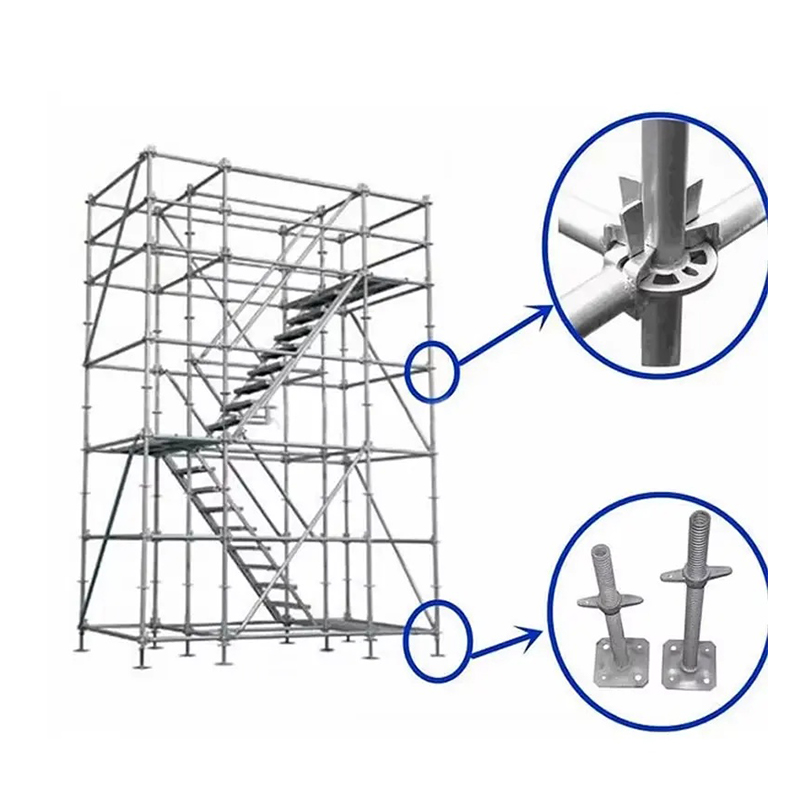
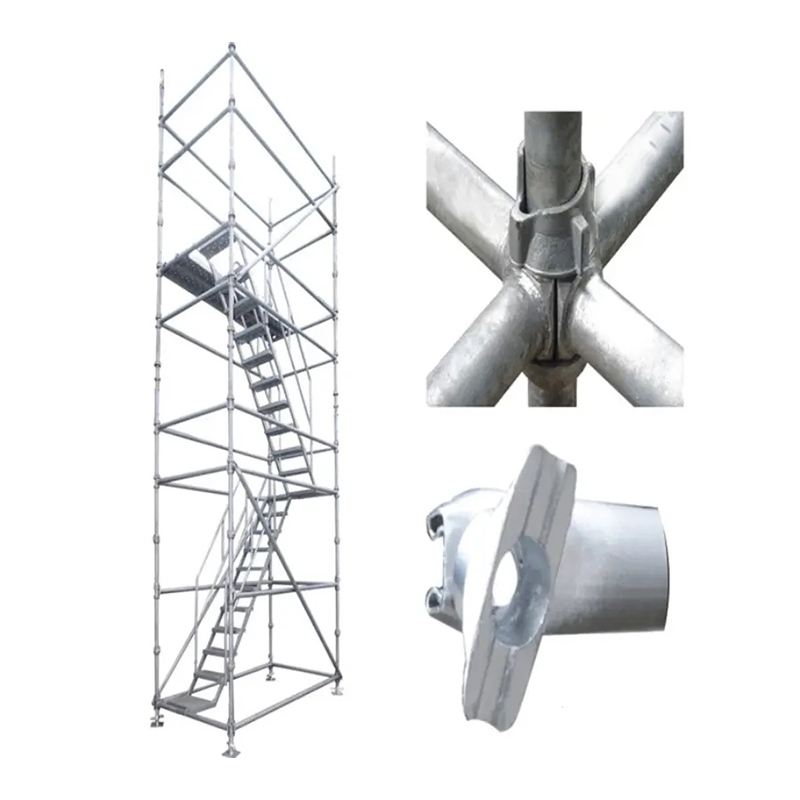
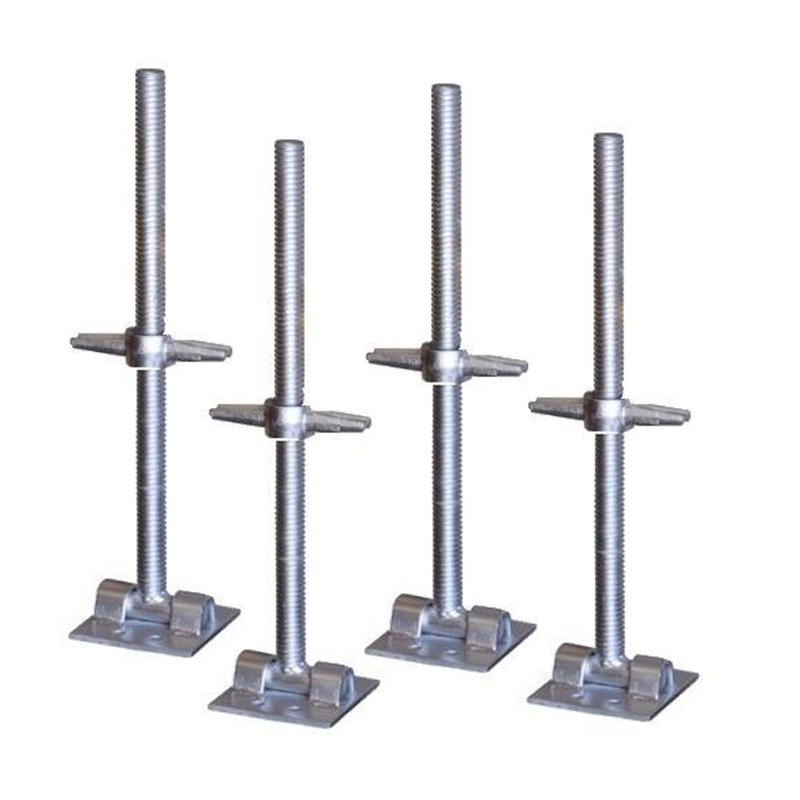
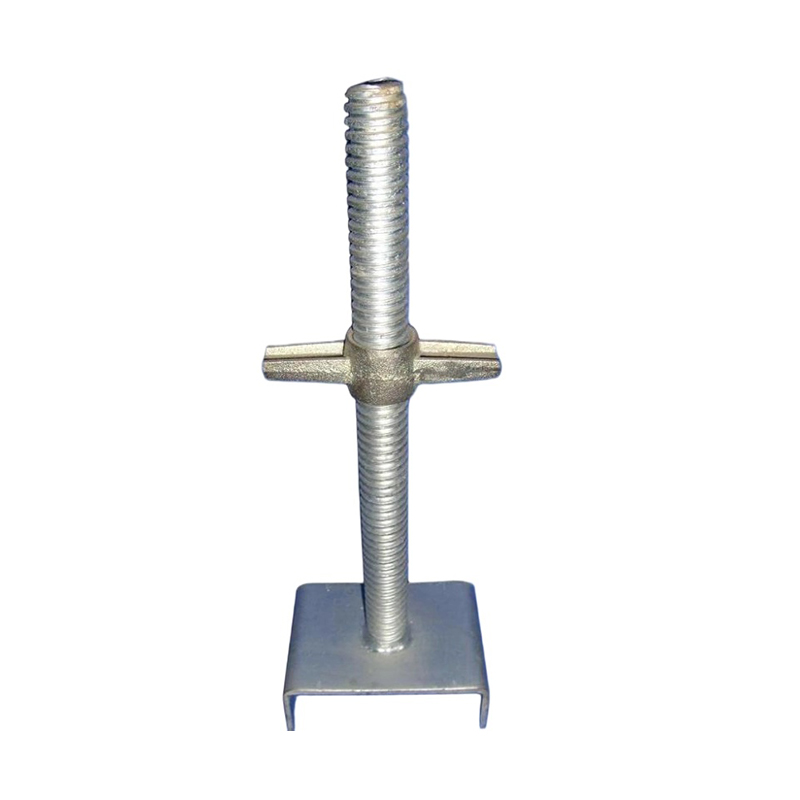
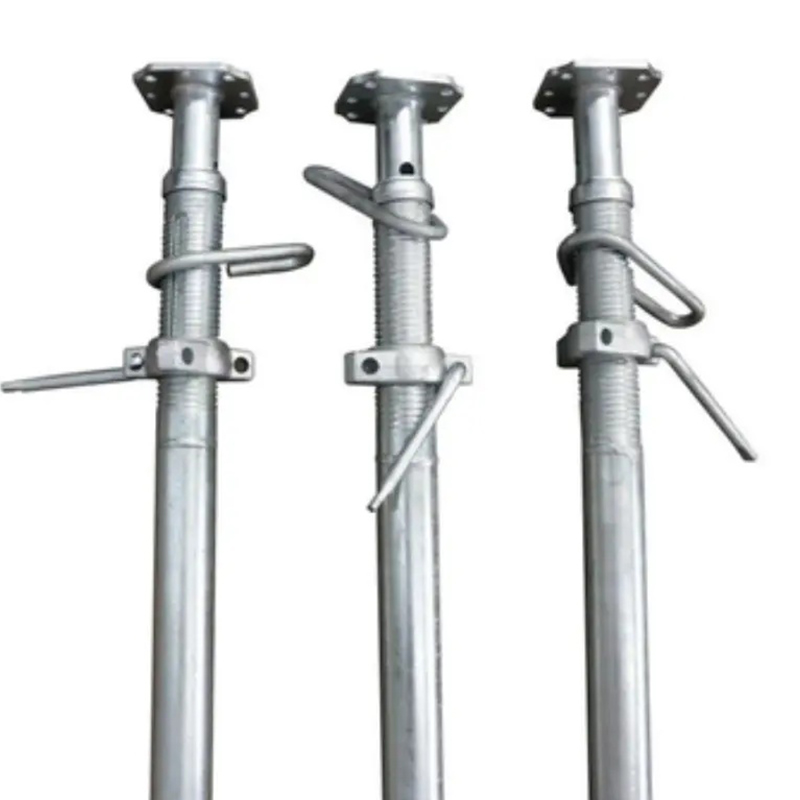
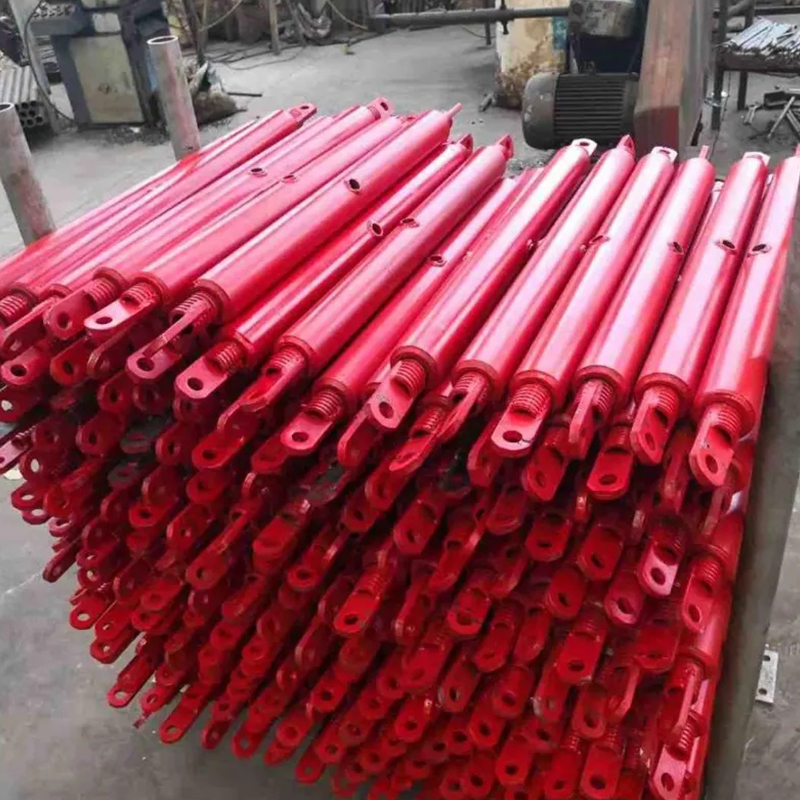
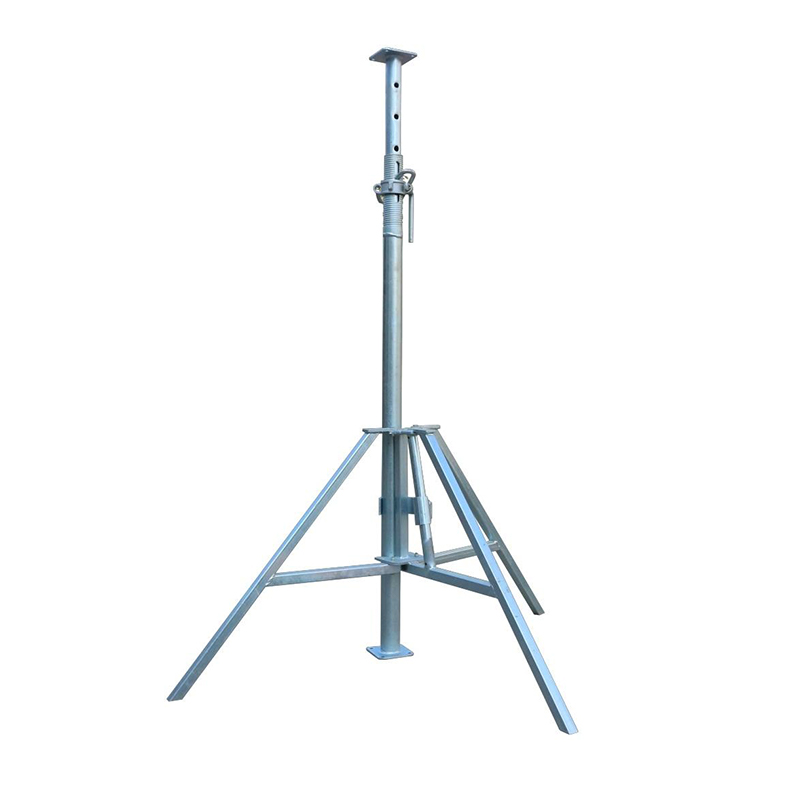
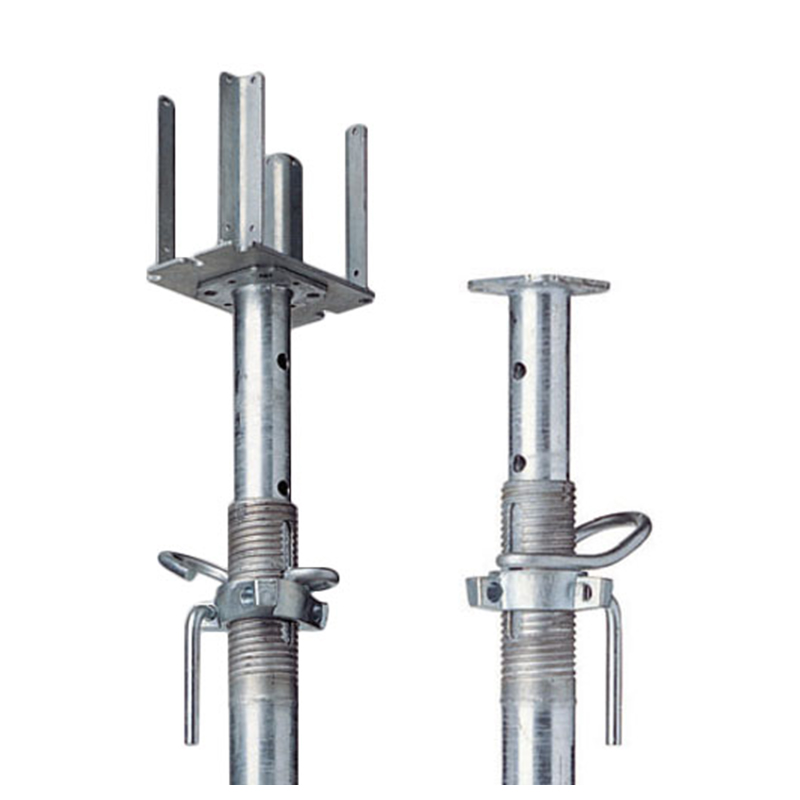
Hyson is a specialized manufacturer of Steel Formwork & Scaffolding, Steel Structure, and OEM Metal Fabrication. With over 15 years of expertise and a professional manufacturing base, we bridge the gap between complex engineering drawings and solid steel realities. From the iconic Sutong Yangtze River Bridge to power plants in Africa, our ISO-certified solutions are trusted by industry giants like CCCC and CRCC.
Manufacturing & Craftsmanship: Our professional fabrication base is engineered for high-efficiency, heavy-duty production.
Precision Profiling & Cutting: Hyson is a Steel Scaffolding Components Factory and Construction Scaffold System Supplier, equipped with advanced medium-to-heavy plate laser cutting machines, ensuring high tolerance and clean edges for all custom steel components.
Artisan Welding: We combine heavy capacity with expert craftsmanship. Our team of certified senior welders (AWS / EN standards) expertly handles complex joints and non-standard fabrication that simple automation cannot match.
Innovation & Quality: Holding 12 Utility Patents, we operate under strict ISO 9001 and BS1139 / EN74 standards, guaranteeing consistency from raw material profiling to final assembly.
Hyson specializes in steel formwork, scaffolding, steel structure and OEM metal fabrication.
 +86-13646196162
 info@hysonindustry.com

Construction Scaffold System Supplier
Scaffolding is an essential piece of high-altitude operation support equipment for construction, bridge engineering, exterior wall decoration, stadium construction, and other scenarios. It mainly includes disc-lock, cup-lock, ring-lock, and steel pipe scaffolding, along with matching footboards, support brackets, and other accessories. The products are made of high-strength steel, featuring a stable structure, easy assembly and disassembly, high load-bearing capacity, and reliable safety. They are reusable. Customization and mass production are supported, and they are widely applicable to various overseas construction and infrastructure projects.
About Us
Nantong Hyson Road And Bridge Formwork Co.,Ltd.
News
-
A high-rise curtain wall replacement in the Gulf needed access to a 40-story facade, but the ground floor was a landscaped lobby that could not host a supported scaffold...
READ MORE -
Three containers of ring lock scaffolding arrived on a Monday. By Wednesday the site crew had rejected two of them — not because the steel was thin or the galvanizing pa...
READ MORE -
Tanzanian Clients Visit Nantong Hyson to Inspect Custom Steel Formwork Production Nantong Hyson Road And Bridge Formwork Co., Ltd. recently welcomed a delegation of clien...
READ MORE -
A 250 mm thick concrete slab weighs about 600 kg per square metre before anyone stands on it. Add the formwork itself, the pouring crew, a skip landing faster than plann...
READ MORE -
On a bridge pier or a congested industrial plant, the difference between a productive scaffold and a costly delay often comes down to the connection node. A cuplock scaf...
READ MORE
Message Feedback
Scaffold Industry knowledge
What Is Scaffold and Why Does Material Choice Matter?
A scaffold is a temporary elevated work platform and support structure used in construction, maintenance, and infrastructure projects to provide safe access and load-bearing capacity at height. The material and system type determine how much load a scaffold can carry, how quickly it can be erected, and how many times it can be reused before replacement.
For demanding civil and industrial projects, steel scaffolding systems—particularly High-strength Steel Scaffolding Systems—have become the engineering standard, replacing timber and lightweight aluminum alternatives where load capacity, stability, and longevity are non-negotiable.
Key Advantages of a High-Strength Steel Scaffolding System
- Superior load capacity: High-strength steel tubes and couplers rated to BS1139 and EN74 can support working loads exceeding 50 kN per standard, making them suitable for bridge decks, industrial slabs, and heavy precast elements.
- Dimensional stability: Steel does not warp, swell, or shrink with moisture exposure, maintaining consistent geometry across the full service life of the system.
- High reusability: A well-maintained steel scaffold system can be erected and dismantled hundreds of times, spreading the capital cost across multiple projects.
- Compatibility: Steel scaffolding integrates directly with steel formwork, adjustable props, and certified ringlock or cuplock node systems, creating a unified support platform for complex pours.
- Traceability and certification: Manufacturers compliant with ISO 9001 provide material test certificates and dimensional inspection records, supporting the quality documentation requirements of large public-infrastructure contracts.
How a High-Strength Steel Scaffolding System Is Erected
- Base plate and sole board installation: Adjustable base jacks with steel base plates are positioned on compacted ground or concrete, distributing vertical loads over a sufficient bearing area.
- Standard (vertical tube) placement: High-strength steel standards are inserted into the base jacks and extended vertically at engineered spacing—typically 1.2–1.8 m centres depending on load requirements.
- Ledger and transom connection: Horizontal ledgers and transoms lock into the rosette nodes (ringlock system) or cup fittings, forming the rigid three-dimensional frame.
- Diagonal bracing: Diagonal braces are fitted at specified intervals to provide lateral stability and resist wind and eccentric loads.
- Working platform and guardrail: Steel decking boards or timber planks are laid on the transoms; toe boards and guardrails are installed to comply with fall-prevention regulations.
Heavy Duty Shoring Scaffolding: When Standard Systems Are Not Enough
Heavy duty shoring scaffolding is a specialised high-capacity variant designed to support exceptionally large concrete pours, transfer slabs, bridge beams, or precast girders where the vertical load per prop point far exceeds what a standard scaffold frame can safely carry.
| Criterion | Standard Steel Scaffold | Heavy Duty Shoring Scaffolding |
|---|---|---|
| Typical Load per Leg | Up to 20 kN | 50–200 kN+ |
| Tube Wall Thickness | 3.2 mm standard | 4–6 mm heavy section |
| Typical Application | Access platforms, light slabs | Bridge beams, transfer plates, industrial pours |
| Engineering Calculation Required | Sometimes | Always |
Nantong Hyson Road And Bridge Formwork Co., Ltd. supplies heavy duty shoring scaffolding systems built to the same mega-project manufacturing standards applied on the Sutong Yangtze River Bridge and Taizhou Bridge, with certified AWS and EN welding and full ISO 9001 quality documentation for each shipment.
Frequently Asked Questions
Q1: What standards should a scaffold system comply with for export projects?
For international projects, the key certifications are BS1139 (British Standard for scaffold tubes and couplers), EN74 (European standard for couplers), and ISO 9001 for the manufacturer's quality management system. Projects in the Middle East, Southeast Asia, and Africa commonly specify BS1139 as the baseline. Always request material test certificates and dimensional inspection reports from your supplier.
Q2: How is heavy duty shoring scaffolding designed for a specific project?
A structural engineer calculates the total concrete load (unit weight × slab thickness × tributary area per prop), applies appropriate safety factors, then selects tube sizes, leg spacing, and bracing intervals to keep every component within its rated capacity. For bridge and transfer-slab projects, a formal shoring design drawing is typically required before work commences on site.
Q3: Can the same scaffold system be used for both access and heavy shoring?
Not always. Standard access scaffold and heavy duty shoring scaffolding use different tube sections, node ratings, and base configurations. Mixing components from the two systems without engineering review is unsafe. A reputable supplier will specify which components are rated for shoring duty and provide load tables to support the site engineer's calculations.
Q4: How should steel scaffold be maintained to maximise its service life?
After each project, tubes and couplers should be cleaned of concrete and mud, inspected for bends or cracks, and stored under cover. Damaged or visibly deformed components must be removed from service immediately. Surface coatings—paint, hot-dip galvanizing, or powder coating—should be touched up when damaged to prevent corrosion, particularly in coastal or high-humidity environments.
HAVE ANY QUESTIONS?
EMAIL US info@hysonindustry.com

Since 2011
©
Hyson.
All Rights Reserved.©

- Location
- Group 3, Fangzhuang Village, Rucheng Subdistrict, Rugao City, Nantong, Jiangsu, China
- Follow us
- Phone
- +86-13646196162
- info@hysonindustry.com
