 +86-13646196162
 info@hysonindustry.com




 русский
  عربى
عربى 


Cuplock Scaffolding System: Components, Load Ratings, and Buying Guide
 2026.10.02
Content
- 1 What a Cuplock Scaffolding System Is and Why the Cup Node Matters
- 2 Components That Determine Load Path and Site Speed
- 3 Load Capacity, Standards, and Procurement Checks
- 4 Where Cuplock Fits Best on a Project
- 5 Cuplock vs Ringlock: Practical Differences for Site Planning
- 6 Assembly, Inspection, and Safety Essentials
- 7 Buying, Renting, and Managing Supply Risk
- 8 How Hyson Builds Cuplock Systems for Global Projects
On a bridge pier or a congested industrial plant, the difference between a productive scaffold and a costly delay often comes down to the connection node. A cuplock scaffolding system uses a cup-and-blade node to lock horizontal ledgers and diagonal braces to vertical standards without loose couplers. That single design choice changes assembly speed, load transfer, and the number of small parts a crew can lose on site. For contractors comparing modular systems, cuplock remains a practical choice for straight runs, heavy shoring, and projects where familiar erection routines matter more than complex geometric flexibility.
What a Cuplock Scaffolding System Is and Why the Cup Node Matters
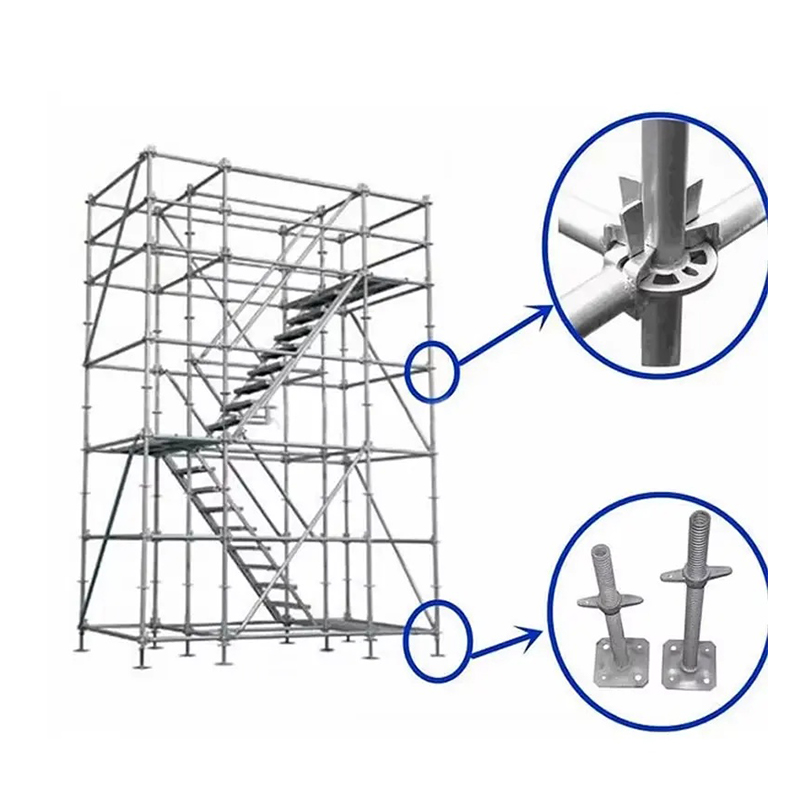
A cuplock scaffold is a modular steel system built around vertical standards that carry fixed cups at intervals. Each standard has a bottom cup welded in place and a top cup that slides along the tube. When a ledger or brace is placed into the bottom cup, the top cup drops over the blade and locks the member with a single hammer blow. The connection is mechanically simple, visible, and easy to inspect.
Unlike coupler-and-tube scaffolds, cuplock does not rely on separate right-angle or swivel couplers at every node. That reduces loose component count and speeds up repetitive work such as access scaffolds, formwork support, and stair towers. The system is typically manufactured from steel tube and forged or cast cups, with finishes such as hot-dip galvanizing for outdoor or coastal projects. Load paths run from the deck to the standards through the cups, so the quality of the cup weld and the straightness of the standard matter as much as the tube wall thickness.
Components That Determine Load Path and Site Speed
| Component | Function | Procurement Note |
|---|---|---|
| Standard | Vertical load-bearing tube with fixed cups | Check tube diameter, wall thickness, and cup spacing |
| Ledger | Horizontal member connecting standards | Confirm blade fit and end forging quality |
| Transom | Supports decking or beams between ledgers | Verify load rating and connection method |
| Diagonal brace | Provides lateral stability | Ensure correct lengths for bay sizes |
| Base jack | Adjusts height and distributes load | Check thread condition and bearing plate size |
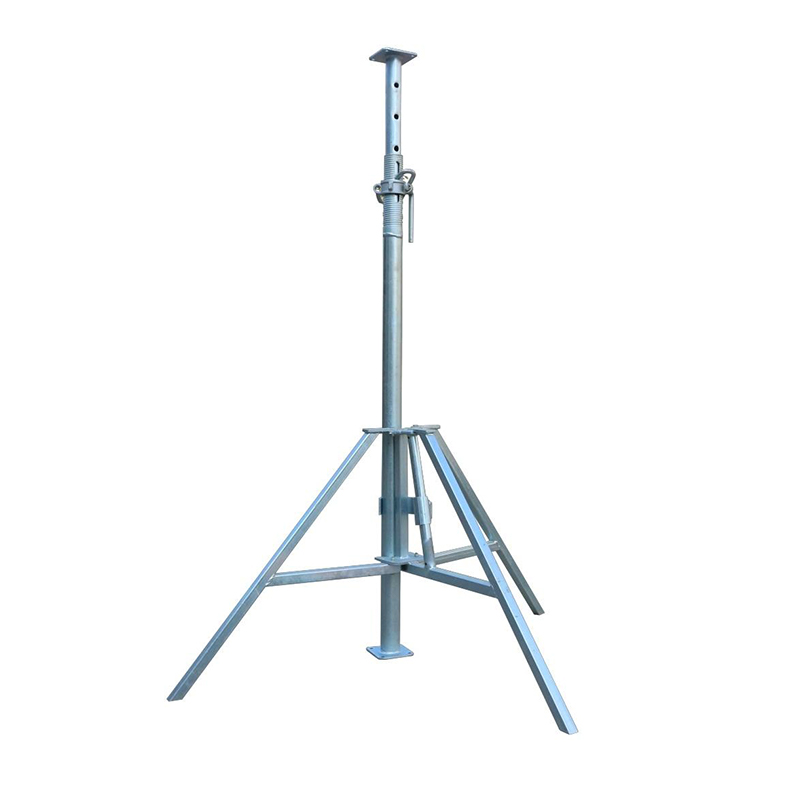
| U-head jack | Supports beams in shoring applications | Confirm beam width compatibility |
| Cup node | Locks ledgers and braces to standards | Inspect weld, blade wear, and top cup travel |
The table above covers the basic kit. A complete cuplock scaffolding system also needs decking, guardrails, toe boards, and safe access ladders or stairs. Those items are often supplied separately, so buyers should confirm whether the quote includes them. For shoring applications, the same standards can carry U-head jacks and timber or steel beams. For access, the system relies on ledgers at regular lift heights and braces to resist lateral loads. Missing braces or mixed components from different manufacturers can introduce fit problems, especially if cup spacing or tube diameter varies.
Load Capacity, Standards, and Procurement Checks
Load capacity is not a single number. It depends on standard spacing, lift height, brace pattern, base support, and the governing design code. A cuplock system can handle heavy shoring loads when configured correctly, but the same components can fail if the design ignores leg spacing or foundation settlement. Reputable manufacturers reference standards such as BS 1139, EN 74, and ISO 9001 quality systems. EN 74 covers couplers and base jacks, while BS 1139 covers tube and fitting scaffolds. Cuplock-specific performance should be supported by test reports that show node strength, slip resistance, and ultimate load.
When buying, ask for mill certificates, weld procedure specifications, and dimensional checks. Check cup spacing tolerance and blade fit because a few millimeters of variation can slow assembly and create play in the node. Also confirm whether the supplier hot-dip galvanizes after welding. Galvanizing after fabrication protects the weld zone, while painted or pre-galvanized tube can leave cut edges exposed.
Where Cuplock Fits Best on a Project
Cuplock works well where the scaffold follows straight or gently stepped geometry. Typical uses include:
- Bridge pier access and formwork support
- Industrial plant maintenance and shutdown scaffolds
- High-rise concrete core access
- Stair towers and loading towers
- Heavy-duty shoring for beams and slabs
For curved facades, domes, or complex node angles, ringlock often offers more flexibility because its rosette accepts eight connections at varied angles. Cuplock is simpler and faster on repetitive rectangular grids. It is also familiar to many crews, which reduces training time. If your project mixes access and shoring, cuplock can be efficient because standards, ledgers, and braces serve both duties. For a broader look at scaffold categories, see this comparison of the four main types of scaffolding.
Cuplock vs Ringlock: Practical Differences for Site Planning
| Feature | Cuplock | Ringlock |
|---|---|---|
| Connection node | Cup and blade | Rosette with eight holes |
| Assembly speed | Fast on straight runs | Fast and flexible on angles |
| Component count | Fewer loose couplers | Moderate |
| Load capacity | High with proper bracing | High |
| Geometric flexibility | Limited to standard angles | High |
| Training | Familiar to many crews | Slightly more orientation |
| Common uses | Access and shoring | Complex geometry and heavy duty |
The table is a starting point, not a design. A cuplock scaffolding system can outperform ringlock on a straight bridge pier because crews can carry fewer parts and lock nodes quickly. Ringlock can win on a circular tank or an irregular industrial footprint. The decision should follow the geometry, load path, and available labor. If the site has used cuplock for years, switching systems may create retraining and inventory costs that outweigh any theoretical advantage.
Buying, Renting, and Managing Supply Risk
Buying cuplock makes sense when the contractor has repeat projects, storage space, and a maintenance program. Renting suits one-off jobs with tight schedules or uncertain duration. In both cases, calculate the true cost per square meter of supported area, not just the daily rate. Transport, labor for loading and unloading, cleaning, and replacement of lost parts often exceed the rental fee. For international projects, confirm that the supplier can provide test certificates, packing lists, and spare parts. Ask for a sample node and check how the cup and blade fit together. A node that locks with excessive force or visible play will slow every lift and may fail inspection. Delivery terms matter too. Consolidated shipments reduce freight cost, but mixed containers can complicate site receiving. A manufacturer that controls cutting, bending, welding, and galvanizing can shorten lead time and trace quality issues.
How Hyson Builds Cuplock Systems for Global Projects
Nantong Hyson Road And Bridge Formwork Co., Ltd. manufactures cuplock scaffolding and related accessories at its 15,000 square meter facility. The company reports ISO 9001, BS 1139, and EN 74 alignment, with welding procedures certified to AWS and EN standards. For buyers who need a complete system rather than loose tubes, Hyson supplies standards, ledgers, braces, base jacks, and U-head jacks. The product pages below show the core cuplock scaffold and two common support accessories.
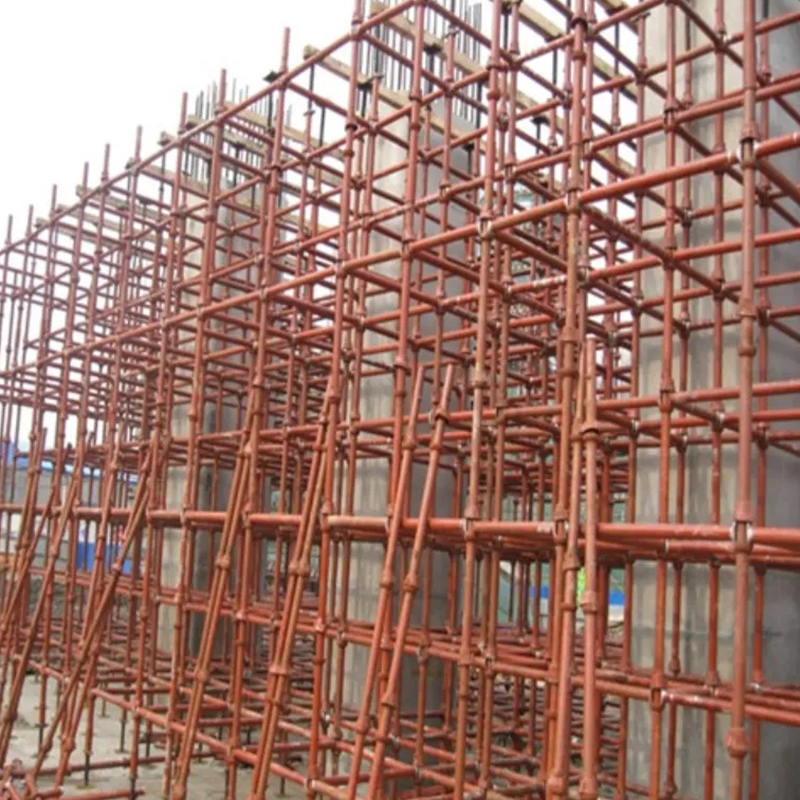 Cuplock ScaffoldingCuplock Scaffolding is a multi-purpose modular steel scaffolding system. Its core advantage lies in its unique node locking mechanism, distinguishing it from tradition...View Product →
The cuplock scaffolding page covers standard lengths, cup spacing, and configuration options for access and shoring.
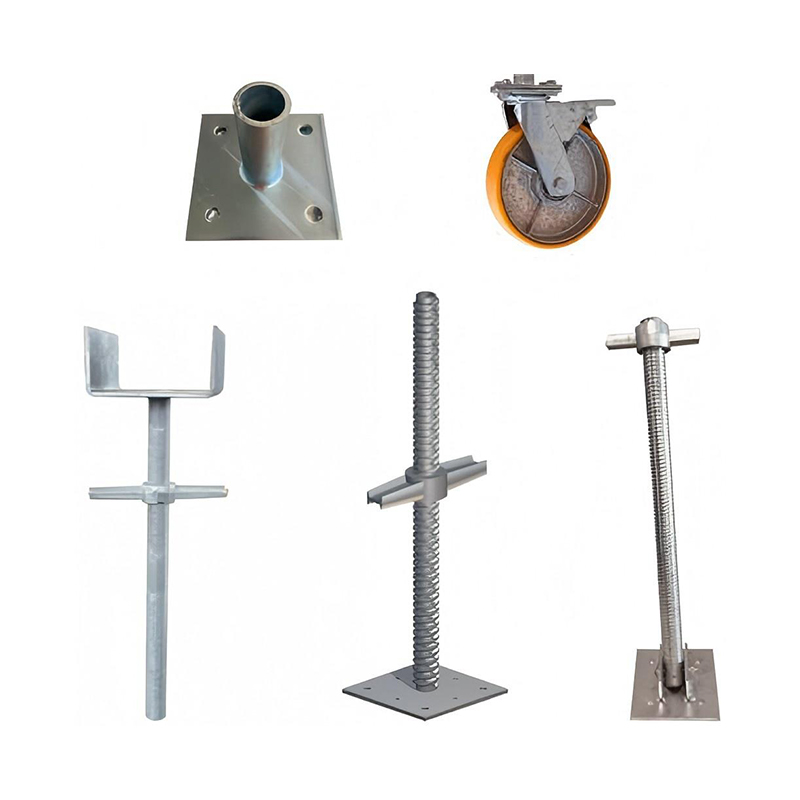 Jack BaseThe adjustable jack base is a core adjustment component specifically designed for building construction support systems. Used in conjunction with scaffolding and formw...View Product →
Jack bases provide height adjustment and load distribution at the foot of each standard.
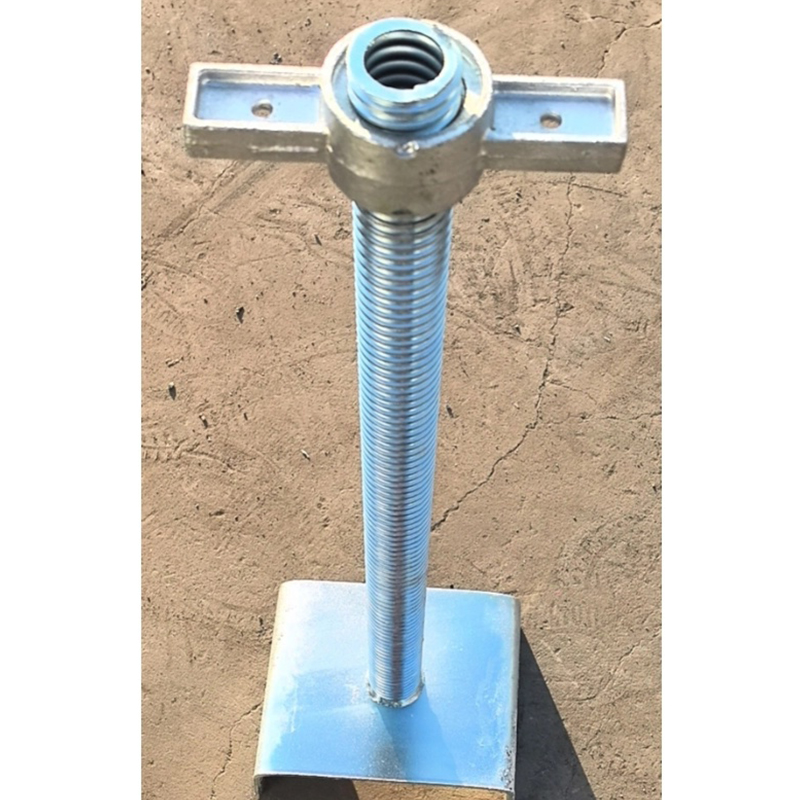 U-head Jack BaseThe U-head Jack Base is a top-adjustable load-bearing accessory specifically designed for formwork support systems. Its core function is to connect the support compone...View Product →
U-head jacks support timber or steel beams in shoring applications where the scaffold carries formwork loads.
Hyson also produces ringlock scaffolding, steel formwork, and heavy steel structures, so a project can source multiple temporary works items from one supplier. The company states that it has supplied central state-owned contractors such as CCCC and CRCC and has participated in projects including the Sutong Yangtze River Bridge and the Taizhou Bridge. Those references do not replace project-specific design, but they show experience with large infrastructure orders. For a quotation or technical questions, contact Hyson with your scaffold layout, load requirements, and destination port.
A cuplock scaffolding system is not automatically the right choice for every structure. It is strongest when the geometry is repetitive, the loads are heavy, and the crew values simple, visible connections. Before ordering, confirm the node design, cup spacing, steel grade, galvanizing, and certification. Compare the total installed cost, not the piece price. With the right configuration and inspection routine, cuplock can deliver fast erection and reliable support on bridge, industrial, and building projects.


- Location
- Group 3, Fangzhuang Village, Rucheng Subdistrict, Rugao City, Nantong, Jiangsu, China
- Follow us
- Phone
- +86-13646196162
- info@hysonindustry.com
