 +86-13646196162
 info@hysonindustry.com




 русский
  عربى
عربى 


What Is Steel Formwork Preferred For?
 2026.07.24
Content
- 1 What Is Steel Formwork Preferred For? The Direct Answer
- 2 Why Steel Formwork Outperforms Timber and Plastic Alternatives
- 3 Steel Formwork vs. Timber and Aluminum Formwork
- 4 Project Types Where Steel Formwork Is the Preferred Choice
- 5 The Reuse Economics Behind Steel Formwork
- 6 Choosing the Right Steel Formwork System
- 7 Maintenance Tips to Maximize Formwork Reuse
What Is Steel Formwork Preferred For? The Direct Answer
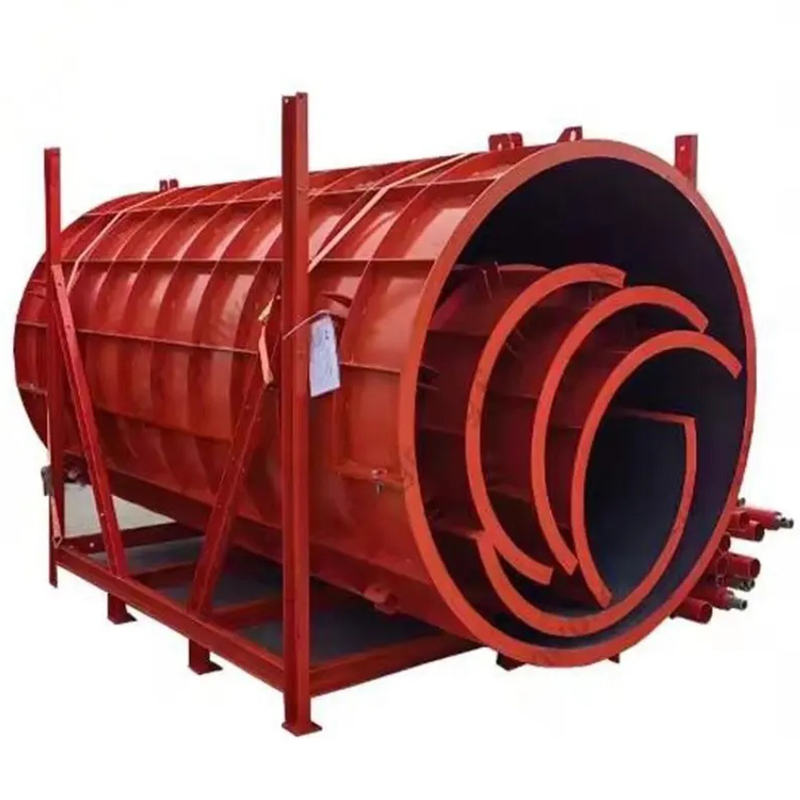
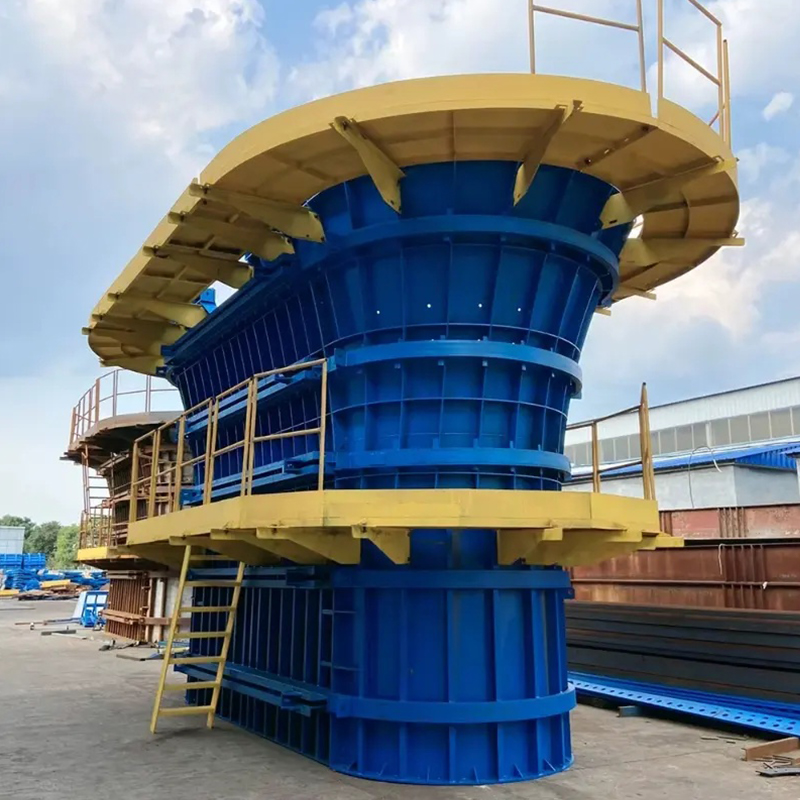
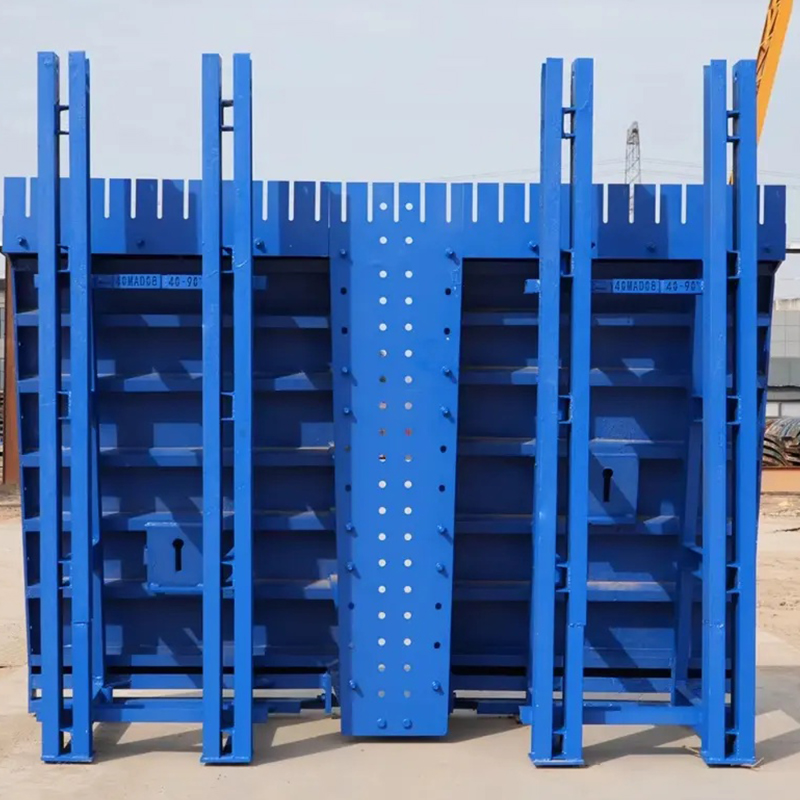
Steel formwork is preferred for large-scale, repetitive concrete construction where high reuse, dimensional accuracy, and heavy load capacity matter most — think high-rise walls and columns, bridge piers, tunnel linings, dams, and precast concrete production. Its steel panels can typically be reused over 100 times with proper care, hold tight dimensional tolerances pour after pour, and withstand the high hydrostatic pressure generated by tall concrete pours without deflecting or bulging, all of which timber or plastic formwork struggle to match over an extended construction schedule.
In short, steel formwork is the go-to choice whenever a project needs the same wall, column, or slab shape poured many times over, needs a smooth architectural concrete finish, or needs to safely contain very high pour pressures — conditions where the higher upfront cost of steel formwork is paid back many times over through reuse and reduced rework.
Why Steel Formwork Outperforms Timber and Plastic Alternatives
Steel formwork earns its place on demanding projects because of a specific combination of physical properties that softer materials cannot match:
- High rigidity, which keeps panels flat and dimensionally accurate under the pressure of freshly poured concrete.
- Exceptional reuse life, since steel panels resist the swelling, warping, and surface degradation that plywood suffers after repeated exposure to wet concrete.
- Smooth, consistent surface finish, producing cleaner architectural concrete that often needs little to no additional surface treatment.
- Strong load-bearing capacity, allowing taller single pours without the additional bracing that weaker formwork materials require.
Steel Formwork vs. Timber and Aluminum Formwork
Choosing between formwork materials usually comes down to matching reuse count, surface finish requirements, and project scale to the right system. The table below compares the three most common options.
| Property | Steel Formwork | Timber/Plywood Formwork | Aluminum Formwork |
|---|---|---|---|
| Typical reuse count | 100+ uses | 5–15 uses | 200+ uses |
| Surface finish quality | Smooth, consistent | Variable, degrades with reuse | Very smooth |
| Load and pressure capacity | High | Moderate | Moderate to high |
| Weight per panel | Heavier, needs crane handling | Lightweight, manual handling | Lightweight, manual handling |
Project Types Where Steel Formwork Is the Preferred Choice
Steel formwork tends to be specified whenever a project involves scale, repetition, or high structural demands:
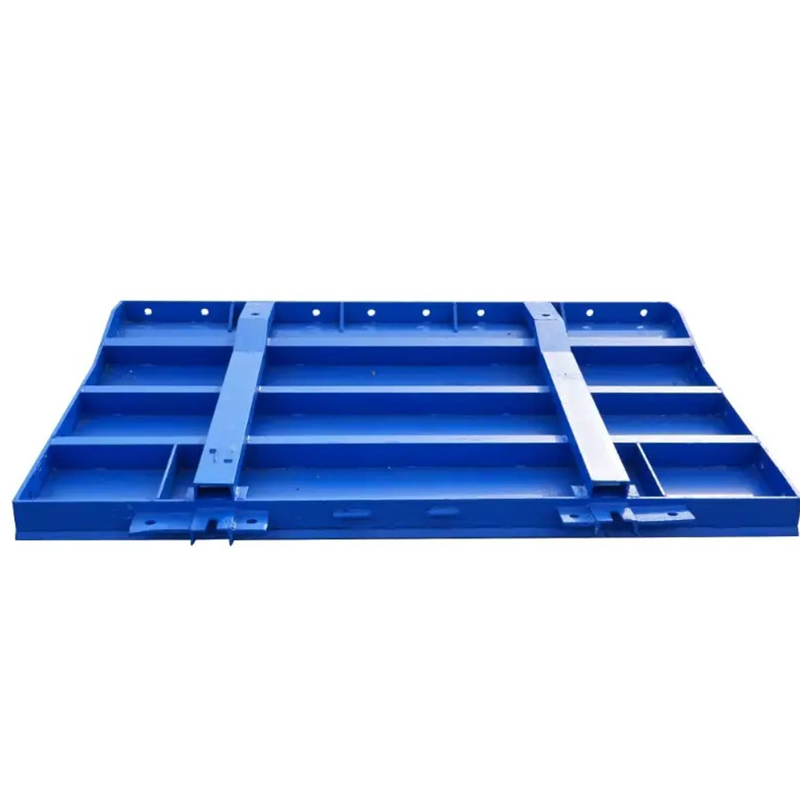
- High-rise building cores, shear walls, and columns, where the same wall section is poured floor after floor.
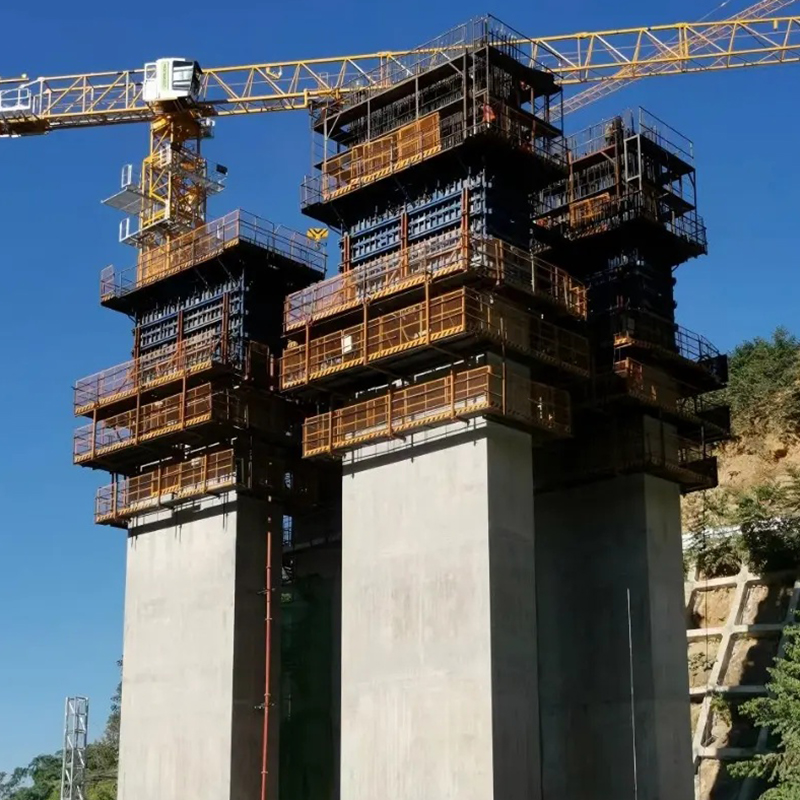
- Bridge piers, abutments, and box girders, where high concrete pressure and long service life demand robust formwork.
- Tunnel linings, where curved steel formwork sections are designed for precise, repeatable geometry over long tunnel runs.
- Dams and other mass concrete structures, where formwork must contain very high hydrostatic pressure from deep pours.
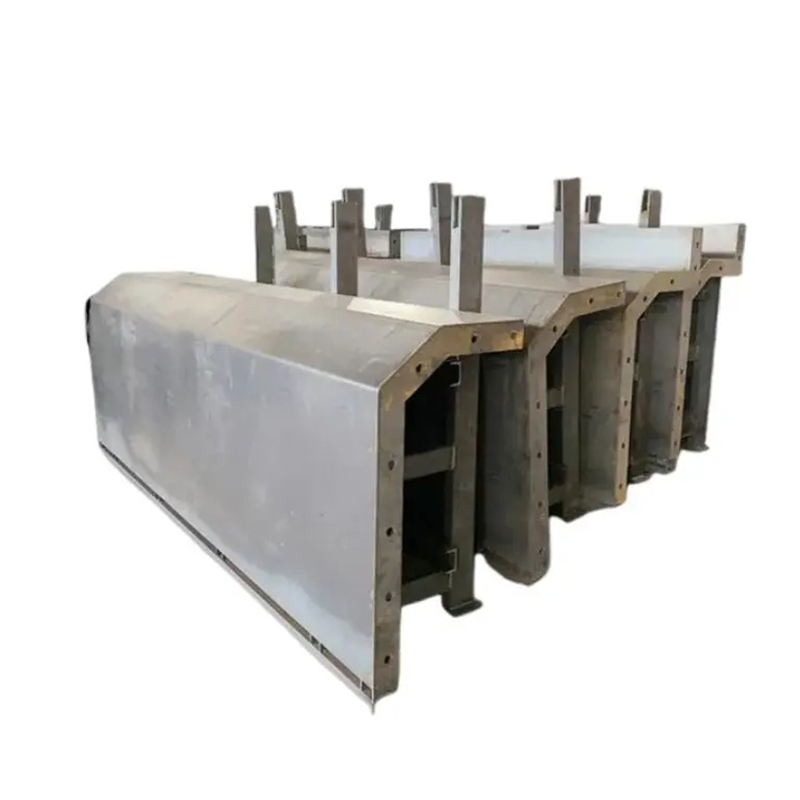
- Precast concrete factories, where steel molds are reused daily across thousands of production cycles.
The Reuse Economics Behind Steel Formwork
Steel formwork carries a higher upfront cost per square meter than timber, but the calculation changes quickly once reuse cycles are factored in. A steel panel rated for over 100 uses spreads its purchase cost across far more pours than plywood formwork, which is often discarded or downgraded after just a handful of cycles due to swelling and surface wear. On projects with dozens or hundreds of repeated pours — such as a multi-story building core or a precast yard running daily production — this reuse advantage typically brings the effective cost per pour below that of constantly replacing timber formwork, even before accounting for the reduced rework caused by steel's tighter dimensional accuracy.
Choosing the Right Steel Formwork System
Not all steel formwork systems are the same, and matching the system to project requirements avoids costly downtime on site:
- Panel modularity — confirm standard panel sizes can combine flexibly to match the specific wall, column, or slab dimensions on the project.
- Connection hardware — tie rods, wedge pins, and clamps should be simple enough for crews to assemble and strip quickly between pours.
- Steel plate thickness and coating — thicker plate and a protective coating extend service life, particularly in humid or coastal project environments.
- Crane handling requirements — larger steel panels are heavier than timber equivalents, so confirm site lifting equipment can handle the panel sizes selected.
Maintenance Tips to Maximize Formwork Reuse
Getting the full rated reuse life out of a steel formwork system depends on consistent site handling practices:
- Clean concrete residue from panel faces immediately after stripping, before it hardens and becomes difficult to remove without damaging the surface.
- Apply a suitable release agent before each pour to reduce surface wear and make stripping easier.
- Inspect panels and connection hardware regularly for bending, corrosion, or worn pin holes that could affect fit-up on the next pour.
- Store panels stacked flat and off the ground when not in use, protecting them from moisture and accidental impact damage.
Hyson Steel, a manufacturer producing steel formwork systems for concrete construction, supplies panels engineered for repeated site reuse across walls, columns, and slab applications. When comparing steel formwork suppliers, checking plate thickness, coating quality, and connection hardware design remains the most reliable way to judge how many pours a system will realistically deliver before replacement.


- Location
- Group 3, Fangzhuang Village, Rucheng Subdistrict, Rugao City, Nantong, Jiangsu, China
- Follow us
- Phone
- +86-13646196162
- info@hysonindustry.com
