 +86-13646196162
 info@hysonindustry.com




 русский
  عربى
عربى 


Metal Formwork for Concrete: Types, Benefits, and Selection Guide
 2026.08.28
Content
Pouring a concrete slab is routine, but the formwork that holds the wet mix in place determines much of the project's outcome. A poor formwork system can cause blowouts, surface defects, and rework. Metal formwork, typically fabricated from steel or aluminum, has become the preferred choice for contractors who need repeated use, predictable performance, and clean results.
This guide explains what metal formwork for concrete is, which systems fit different structural elements, and how steel and aluminum compare. It then outlines the key criteria for choosing a metal formwork supplier, so you can specify a system that matches your site conditions and budget.
What Is Metal Formwork for Concrete?
Metal formwork is a prefabricated mold system that shapes cast-in-place or precast concrete. Steel or aluminum panels, frames, ties, and supporting members are assembled on site to form a cavity of exact dimensions. After concrete cures, the formwork is stripped and moved to the next pour.
Steel formwork is built from welded panels and frames, often reinforced with stiffening ribs. It is heavy but extremely rigid, making it suitable for large pours where hydraulic pressure is high. Aluminum formwork is lighter and easier to handle, yet soft enough to require careful design to avoid denting. Both materials resist moisture, do not swell like timber, and deliver significantly more reuse cycles than conventional wood-based forms.
Types of Metal Formwork Systems
Metal formwork systems are usually classified by the structural element they form. Here are the most common categories used on building and civil engineering projects.
Wall and Flat Formwork
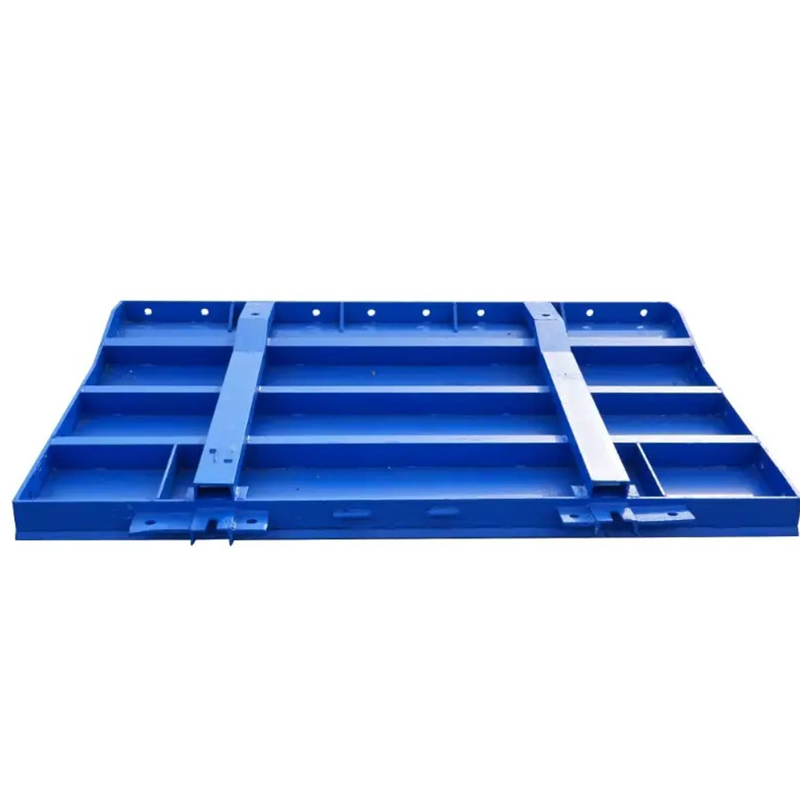
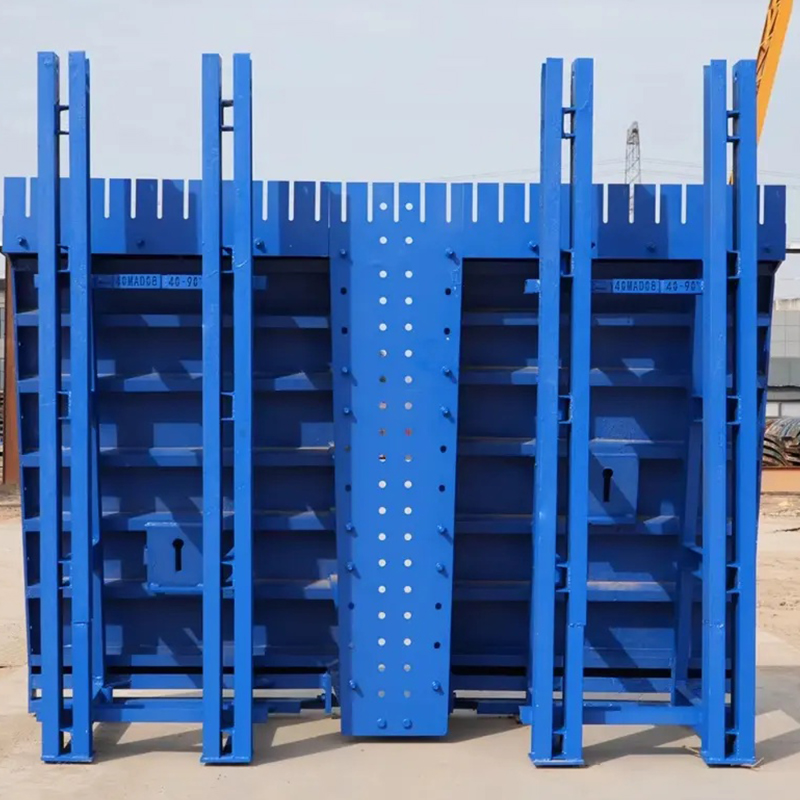
For vertical elements such as basement walls, shear walls, and exposed concrete facades, wall formwork is engineered to resist lateral concrete pressure. Flat formwork is used for horizontal surfaces like slabs and transfer floors. Residential and commercial projects often choose modular steel panels for flat formwork because they assemble quickly with a standard grid. A common configuration is the wall formwork used in low- to mid-rise buildings, where panel heights are matched to story heights.
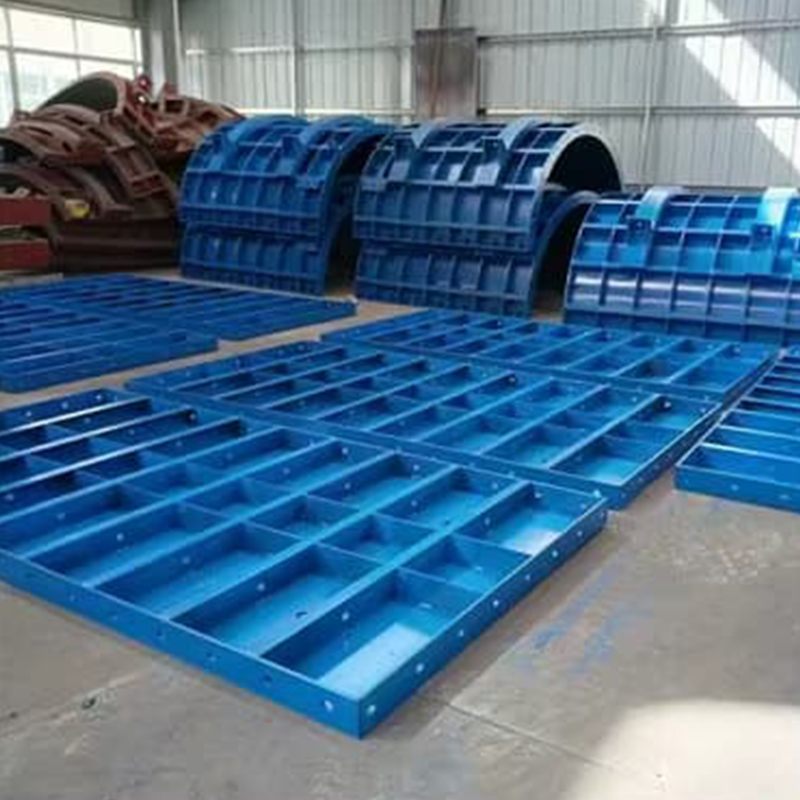 Adjustable Wall Formwork Manufacturer, Steel Wall Formwork System CompanyNantong Hyson Road And Bridge Formwork is a China OEM adjustable wall formwork manufacturer and steel wall formwork system company, we of...View Product →
Column Formwork
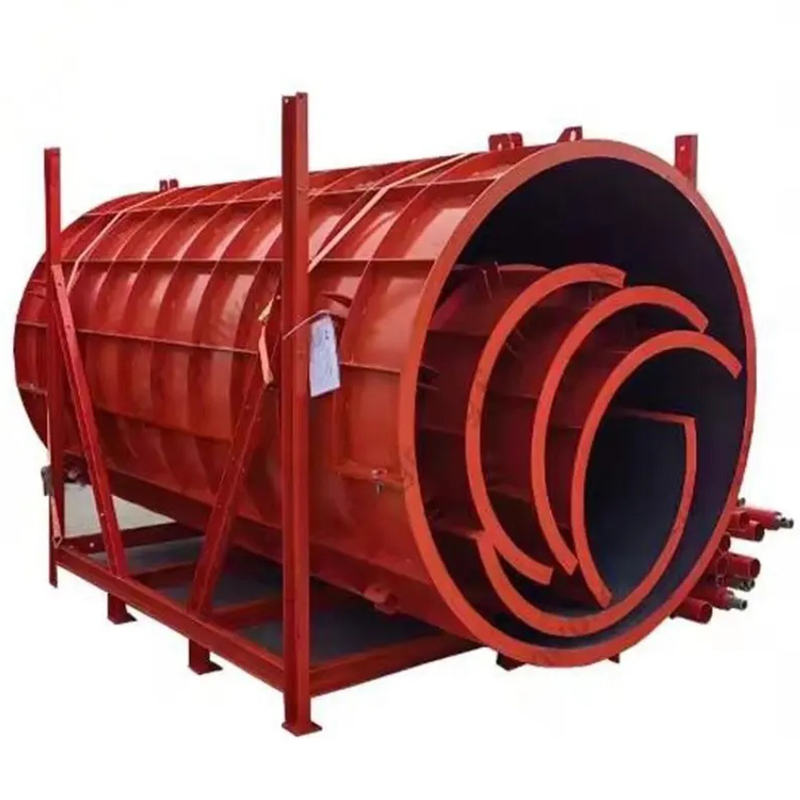
Columns need a form that can be stripped without damaging the concrete corners. Steel column formwork is available in square, rectangular, and circular sections. Circular forms are widely used for bridge piers and building columns and require smooth interior faces to avoid weld marks. A good example is the circular column formwork used on highway projects, which can be ordered in split sections for easy stripping.
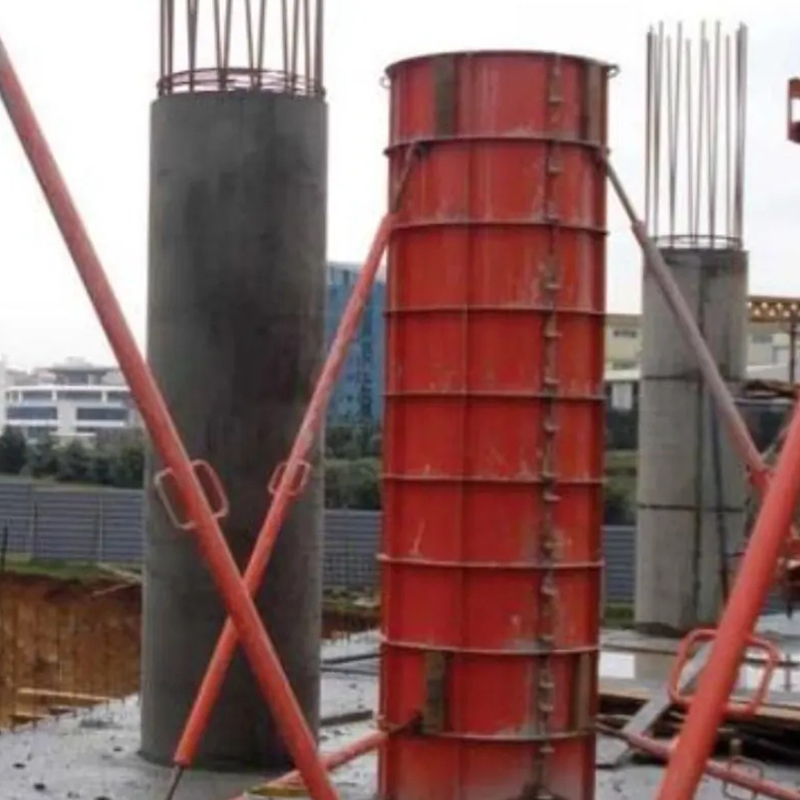 Circular Column Formwork Manufacturer, Heavy Duty Bridge Column Formwork CompanyNantong Hyson Road And Bridge Formwork is a China OEM circular column formwork manufacturer and heavy duty bridge column formwork company...View Product →
Bridge and Girder Formwork
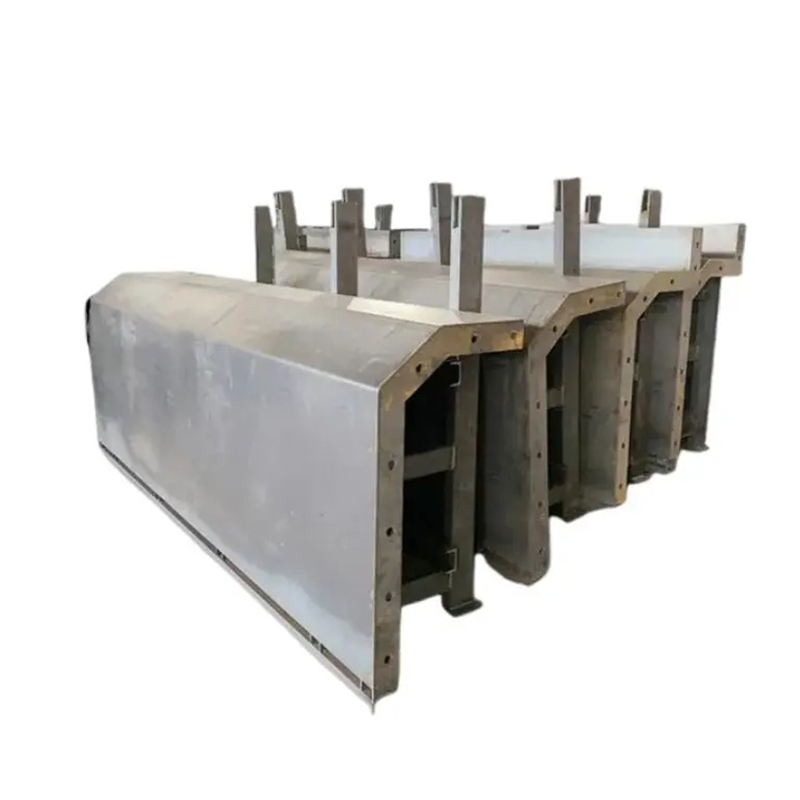
Bridge decks and elevated roadways depend on girder forms that carry heavy loads and are stripped in stages. Box girder formwork is common for cast-in-place segmental bridges, while T-beam formwork is chosen for shorter spans and precast yards. Tie-beam formwork serves foundation tie beams and grade beams. Because deck widths, haunch depths, and pre-camber curves change from one bridge design to another, these systems are highly customised. For bridge construction, a box girder formwork system from an experienced manufacturer can reduce the number of pour cycles while maintaining tight tolerances.
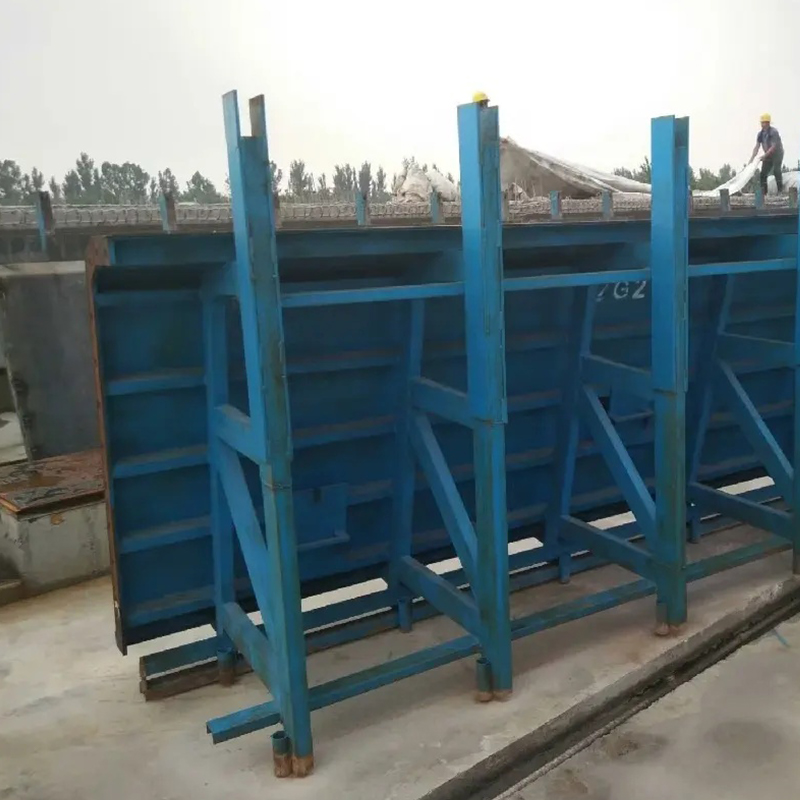 Box Girder Steel Formwork Manufacturer, Box Girder Formwork CompanyNantong Hyson Road And Bridge Formwork is a China OEM box girder steel formwork manufacturer and box girder formwork company, we offer cu...View Product →
Foundation, Slab, and Specialty Systems
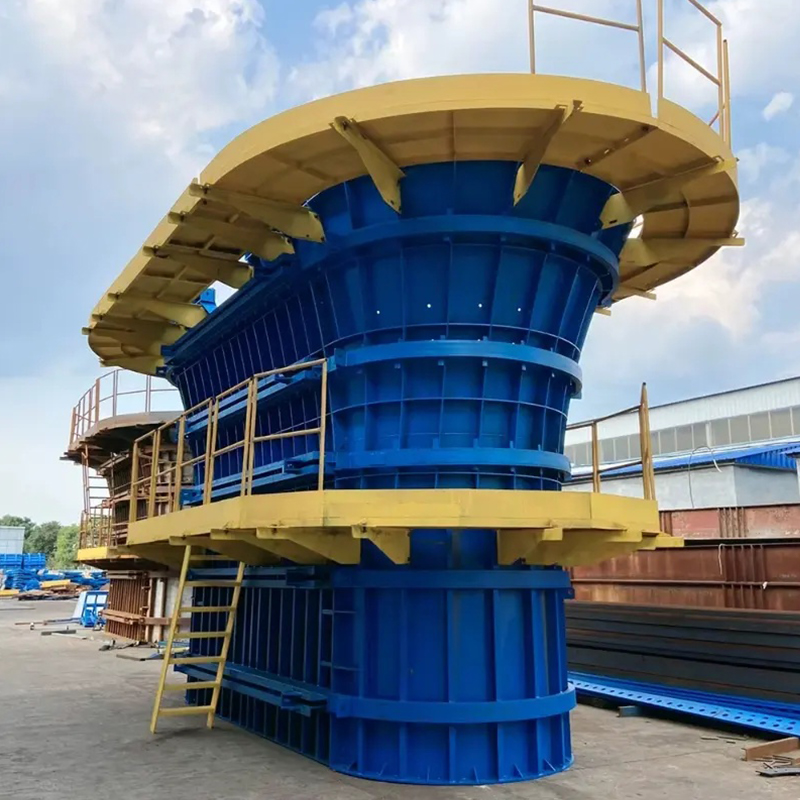
Foundation slab formwork is low-profile but large, requiring strong bracing to keep alignment across long runs. Specialty systems include climbing formwork for vertical concrete elements that are poured in repetitive lifts, such as high-rise cores, silos, and bridge piers. Climbing forms are raised hydraulically or by crane, allowing crews to stay on the form while concrete cures.
Why Metal Formwork Is a Smart Investment
A metal formwork system is not the cheapest forming option at first glance. Its value comes from repeated use and reduced site labour. Here is why many contractors switch to steel or aluminum forms:
- High reuse cycles: Steel panels can typically be reused 100 times or more with proper maintenance, while aluminum forms remain serviceable for hundreds of light-duty pours.
- Dimensional accuracy: Metal does not warp or absorb water, so it holds line and level better than timber.
- Better concrete finish: Smooth steel surfaces produce a consistent, dense face that requires less patching and repair.
- Lower labour cost: Fewer tie points, simple panel connections, and predictable stripping reduce crew hours on every pour.
- Less waste: Timber formwork becomes unusable after several pours; metal can be reused across multiple projects.
Steel vs. Aluminum vs. Conventional Timber Formwork
The material decision usually comes down to steel versus aluminum. Both outperform treated plywood and timber framing in reuse and rigidity, but they have different handling needs and cost profiles.
| Material | Service Life | Weight | Initial Cost | Best For | Concrete Finish |
|---|---|---|---|---|---|
| Steel | 100+ pours | Heavy | Higher | Bridges, columns, large walls | Excellent |
| Aluminum | 100–300 pours | Light | Highest | Repetitive building slabs | Good |
| Timber | 5–10 pours | Light | Low | One-off foundations | Fair |
For most heavy construction, steel formwork offers the best balance of rigidity and cost per use. Aluminum earns its premium in high-rise residential projects where panel weight must be controlled and pour cycles are repeated hundreds of times. Timber remains practical for isolated foundations or small jobs, but its labour cost and replacement frequency quickly overtake a metal system.
Selecting a Metal Formwork Supplier
A metal formwork system is only as reliable as the engineering and fabrication behind it. When you review suppliers, focus on four areas:
- Engineering support: Does the supplier review your structural drawings and propose panel layouts, tie positions, and stripping sequences?
- Manufacturing quality: ISO 9001 and certified welding procedures (AWS or EN) indicate controlled production and traceable quality.
- Production capacity: In-house laser cutting, bending, and welding reduces lead times and ensures consistency across large orders.
- Field experience: A supplier that has delivered complex bridge or industrial projects can anticipate high-pressure pours and tight tolerances.
Hyson, the manufacturer behind this article, has more than 15 years of experience in custom steel formwork, scaffolding, and structural steel. The company holds 12 utility patents, operates a 15,000 m² production facility, and counts projects such as the Sutong Yangtze River Bridge and Taizhou Bridge among its references. Its steel formwork product range covers civil, infrastructure, and marine applications, with an in-house engineering team that can design solutions for unusual geometry.
Final Thoughts
Metal formwork for concrete is not a single product but a family of engineered systems. Choosing the right one means looking at concrete pressure, number of pours, surface requirements, and the supplier's ability to customise. If you need a formwork package that matches your drawings, a short discussion with an experienced manufacturer can save thousands of dollars in rework and labour.
When your next concrete element is too large, too complex, or too repetitive to build with timber, consider reaching out to a metal formwork specialist. You can contact our engineering team to review the best forming method for your project.


- Location
- Group 3, Fangzhuang Village, Rucheng Subdistrict, Rugao City, Nantong, Jiangsu, China
- Follow us
- Phone
- +86-13646196162
- info@hysonindustry.com
