 +86-13646196162
 info@hysonindustry.com




 русский
  عربى
عربى 


How to Use a Scaffold Safely: Step-by-Step Setup Guide
 2026.08.21
Content
- 1 Quick Answer: How to Use a Scaffold Safely and Correctly
- 2 Types of Scaffold and When to Use Each One
- 3 Step-by-Step: How to Set Up a Scaffold
- 4 Understanding Scaffold Load Capacity
- 5 Essential Safety Checks Before Every Use
- 6 Common Mistakes That Compromise Scaffold Safety
- 7 How to Choose the Right Scaffold for Your Project
- 8 Maintaining Scaffold Equipment Between Projects
- 9 Sourcing Durable Scaffold Systems
Quick Answer: How to Use a Scaffold Safely and Correctly
To use a scaffold correctly, you must first select the right scaffold type for your job, assemble it on firm and level ground with base plates or mud sills, secure all locking pins and braces, and confirm it is plumb before climbing. Always inspect the structure before each use, never exceed the rated load capacity, and use guardrails or personal fall protection when working above 6 feet (1.8 meters). A properly erected scaffold should be tied to the building or stabilized with outriggers if it is a mobile unit taller than three times its base width.
The sections below walk through scaffold types, step-by-step assembly, load limits, safety inspection routines, and common mistakes to avoid, giving you a complete reference before your next project.
Types of Scaffold and When to Use Each One
Choosing the correct scaffold system is the foundation of safe and efficient work. The three most common types used on construction and maintenance sites are outlined below.
| Scaffold Type | Structure | Best Application |
|---|---|---|
| Frame Scaffold | Pre-welded rectangular frames connected by cross braces | Residential construction, painting, brick masonry |
| Tube and Coupler Scaffold | Individual tubes joined by clamps for custom shapes | Irregular building facades, bridges, industrial sites |
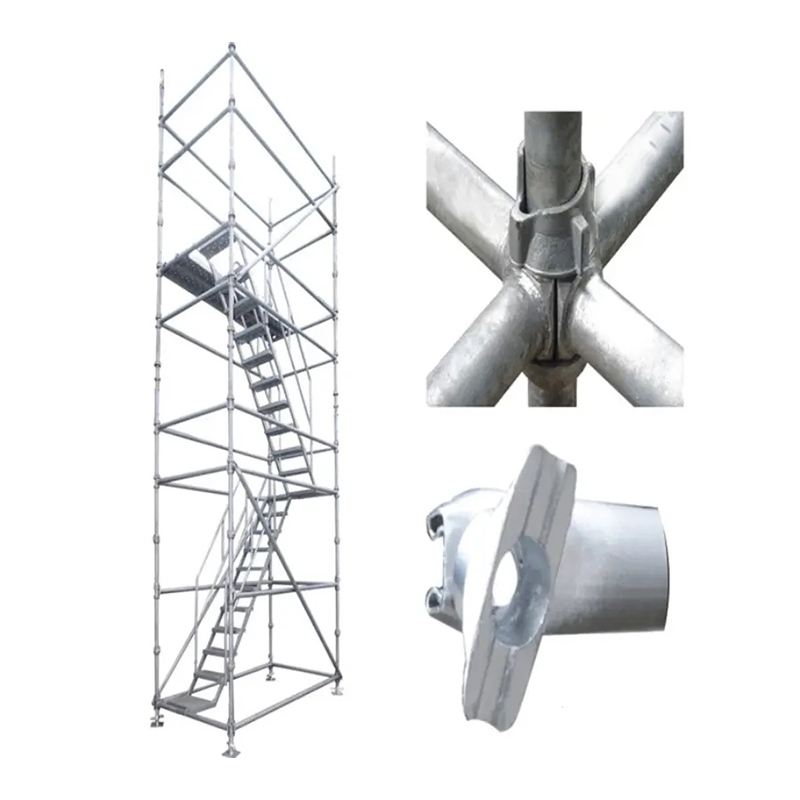
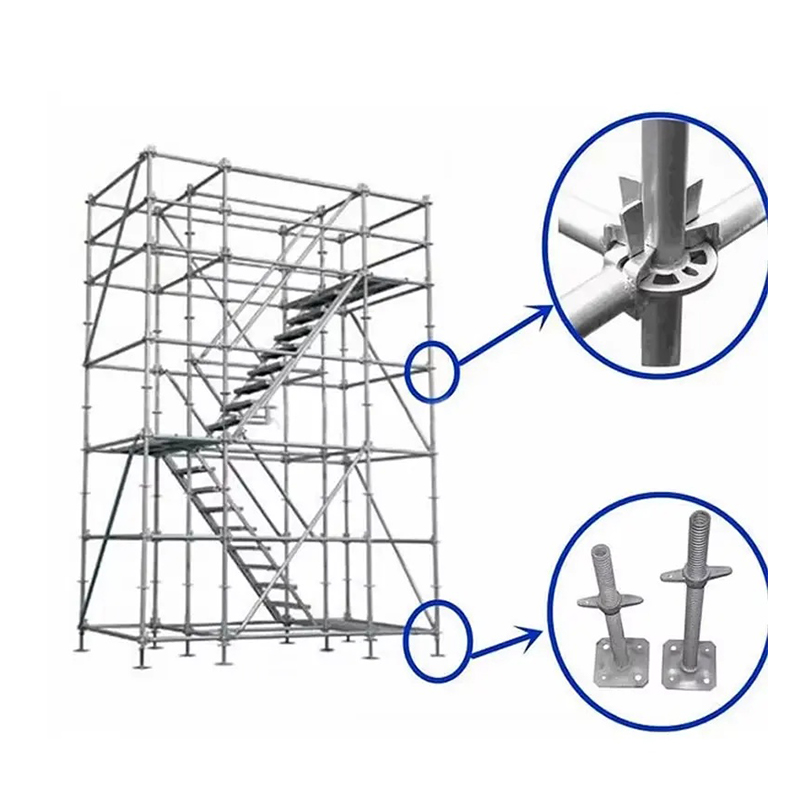
| System Scaffold | Modular components with pre-set connection points | Large commercial projects requiring rapid assembly |
| Mobile Scaffold Tower | Frame scaffold mounted on locking casters | Warehouse maintenance, indoor work requiring frequent repositioning |
Selecting the right scaffold system before purchase or rental prevents delays caused by structures that cannot adapt to the site's terrain or building shape.
Step-by-Step: How to Set Up a Scaffold
- Inspect the ground and place base plates or mud sills on firm, level soil to distribute weight evenly
- Assemble the first level of scaffold frames and lock all cross braces into place
- Check that the structure is plumb and level using a spirit level before adding additional tiers
- Install locking pins or coupling pins at every frame connection point
- Add platform planks, ensuring they are fully supported and overlap by at least 12 inches (30 cm)
- Attach guardrails and toe boards on all open sides before anyone climbs above 6 feet
- Tie the scaffold to the adjacent structure at required intervals, typically every 26 feet (8 meters) in height
- Perform a final walkaround inspection before allowing workers onto the platform
Following this sequence in order matters: skipping the leveling step or delaying guardrail installation is one of the most frequent causes of scaffold-related incidents on job sites.
Understanding Scaffold Load Capacity
Every scaffold platform has a maximum rated load that includes the combined weight of workers, tools, and materials. Overloading is a leading cause of structural failure, so it is essential to know which duty rating applies to your work.
| Duty Rating | Maximum Load | Typical Use |
|---|---|---|
| Light Duty | 25 psf (122 kg/m²) | Painting, inspection, light cleaning |
| Medium Duty | 50 psf (244 kg/m²) | Bricklaying, plastering, general construction |
| Heavy Duty | 75 psf (366 kg/m²) | Stone masonry, heavy material stacking |
These duty ratings follow widely recognized occupational safety classifications used across the scaffolding industry. Always confirm the specific rating printed on your scaffold equipment before loading it with materials.
Essential Safety Checks Before Every Use
A scaffold should never be treated as a permanent, maintenance-free structure. Before each shift, walk the entire scaffold and confirm the following:
- All base plates remain in full contact with firm ground, with no sinking or shifting
- Guardrails, mid-rails, and toe boards are intact on every open side
- Locking pins and coupling devices show no signs of looseness or corrosion
- Platform planks are free of cracks, warping, or excessive wear
- Access ladders or stair towers are securely attached and unobstructed
- No visible damage exists from wind, impact, or nearby construction activity
Assign a competent person to complete this inspection and document it. In many regulatory frameworks, a documented daily scaffold inspection is a legal requirement, not just a best practice.
Common Mistakes That Compromise Scaffold Safety
Skipping the Ground Preparation
Placing a scaffold directly on soft or uneven soil without base plates is one of the most frequent causes of tipping incidents. Ground preparation should never be treated as optional, even for short-term jobs.
Overloading the Platform
Stacking excess materials on a single platform level, rather than distributing weight across the structure, exceeds the rated capacity and stresses the frame joints beyond their design limits.
Moving a Mobile Scaffold While Occupied
Rolling a mobile scaffold tower while a worker remains on the platform is a well-documented cause of falls. Always require workers to descend before repositioning wheeled units.
Ignoring Weather Conditions
High wind speeds significantly increase tipping risk, particularly for taller structures. Many safety guidelines recommend halting scaffold work when sustained winds exceed 25 to 30 mph (40 to 48 km/h).
How to Choose the Right Scaffold for Your Project
Before renting or purchasing scaffold equipment, evaluate your project against these criteria to avoid costly mismatches:
- Working height needed, including clearance for guardrails and platform planks
- Ground conditions at the site, including slope and load-bearing capacity of the soil
- Whether the project requires mobility, such as moving between multiple work zones in one day
- Anticipated load, including tools, materials, and the number of workers on the platform simultaneously
- Whether the building facade is straight or irregular, which affects the choice between frame and tube-and-coupler systems
Matching the scaffold specification to these five factors reduces the likelihood of mid-project modifications, which are both costly and a common source of safety shortcuts.
Maintaining Scaffold Equipment Between Projects
Scaffold components made from steel are durable but still require routine care to remain safe for repeated use. After each project, clean off concrete splatter, mortar, or paint residue that can hide cracks or corrosion. Store frames and planks off the ground in a dry area to prevent rust, and periodically check galvanized coatings for chipping, since exposed steel corrodes faster and weakens load-bearing joints over time.
Establishing a maintenance log for each scaffold set, noting inspection dates and any repairs, extends the usable life of the equipment and simplifies compliance during safety audits.
Sourcing Durable Scaffold Systems
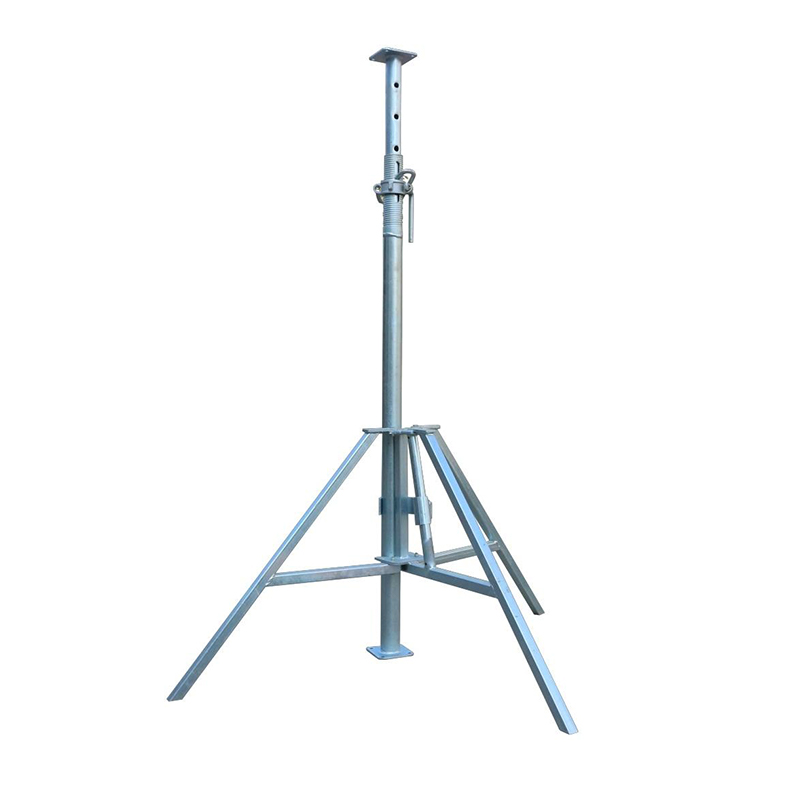
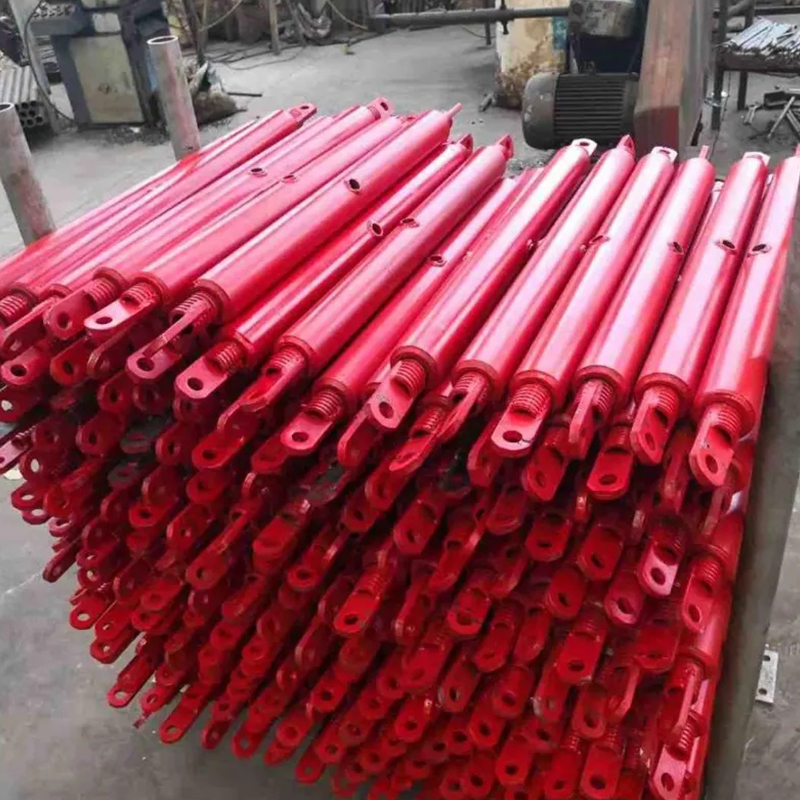
Reliable scaffold performance starts with well-manufactured components. Hyson Steel produces a range of scaffold systems, including frame scaffolds, tube and coupler components, and system scaffold accessories, engineered from galvanized steel for corrosion resistance and consistent load-bearing strength across repeated job site use. For contractors managing multiple active sites, sourcing scaffold components from a single manufacturer helps standardize connection points and locking mechanisms, which reduces assembly errors and speeds up setup time.
Whether the project calls for a compact mobile tower for indoor maintenance or a full system scaffold for a multi-story commercial build, choosing well-tested, properly rated scaffold equipment is the foundation of every safe elevated work platform.


- Location
- Group 3, Fangzhuang Village, Rucheng Subdistrict, Rugao City, Nantong, Jiangsu, China
- Follow us
- Phone
- +86-13646196162
- info@hysonindustry.com
