 +86-13646196162
 info@hysonindustry.com




 русский
  عربى
عربى 


Climbing Formwork Explained: How It Works, Types, and Uses
 2026.08.14
Content
- 1 What Is Climbing Formwork
- 2 How A Climbing Formwork System Actually Moves
- 3 Main Types Of Climbing Formwork
- 4 Climbing Formwork Versus Slipform And Jump Form
- 5 Key Components Of A Climbing Formwork Rig
- 6 Why Contractors Choose Climbing Formwork
- 7 Where Climbing Formwork Is Used On Real Projects
- 8 Safety Considerations For Climbing Formwork Operations
- 9 Cost Factors To Plan For
- 10 Frequently Asked Questions About Climbing Formwork
What Is Climbing Formwork
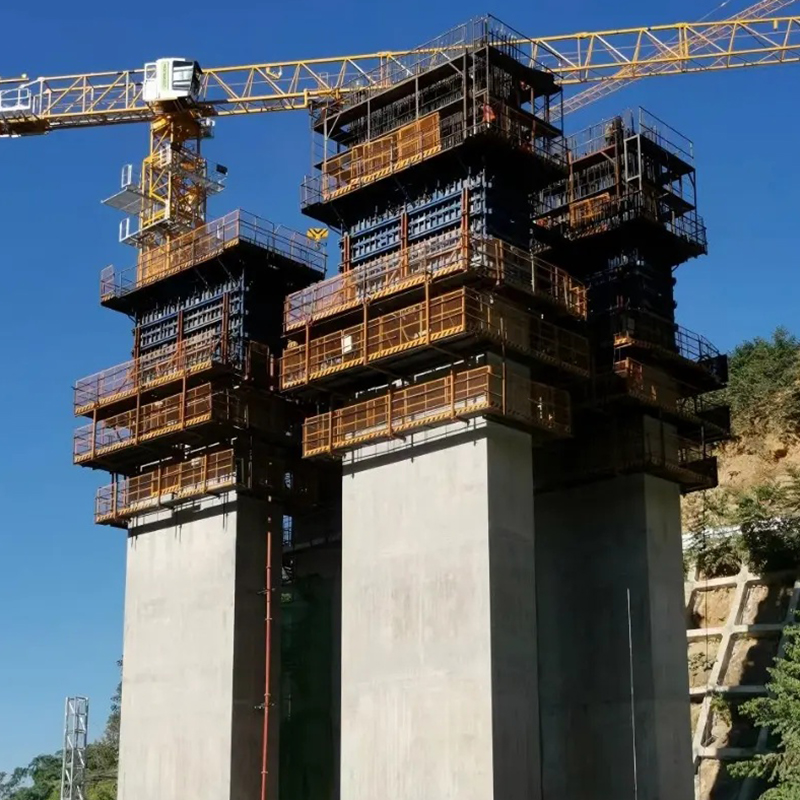
Climbing formwork is a self-supporting vertical formwork system that is raised or climbed up a concrete structure as each pour cures, without being removed from the building and lowered back to ground level. It is used mainly for tall, repetitive vertical elements such as core walls, shear walls, bridge pylons, silos, and high rise towers. Instead of stripping the panels and craning them down after every lift, the whole assembly stays attached to the finished concrete and moves upward using hydraulic rams, climbing rails, or crane assisted climbing brackets.
The defining feature of climbing formwork is that the working platforms, guardrails, and formwork panels travel together as one unit. This is different from a jump form or a slip form, and the distinction matters when a contractor is choosing a system for a specific project shape and pour rate.
How A Climbing Formwork System Actually Moves
A typical climbing formwork cycle follows a repeatable sequence. Concrete is poured into the panel for one lift, usually between 3 and 4.5 meters in height depending on the design. Once the concrete reaches the required striking strength, the panel is unbolted from the cured wall, released from the previous anchor point, and climbed to the next position.
Standard Climbing Cycle
- Reinforcement placement and formwork alignment for the new lift
- Concrete pour and curing until minimum strength is achieved
- Release of the anchor cones and climbing shoes from the previous lift
- Climbing of the platform and panel to the next lift, either by crane or hydraulically
- Re anchoring into the newly cast concrete and realignment before the next pour
On a well managed core wall project, this cycle commonly runs on a 3 to 5 day rotation per lift, and on hydraulic self climbing systems the cycle can be tightened further because the crane is freed from lifting the formwork itself. Major formwork suppliers including PERI, Doka, and ULMA have published project data showing self climbing rigs reducing crane dependency on tower cores by a significant margin compared to crane climbed systems, since the crane only needs to move materials and reinforcement rather than the formwork panels.
Main Types Of Climbing Formwork
Not every climbing formwork system works the same way. The choice depends on crane availability, wall geometry, wind exposure, and the height of the structure.
| System Type | Climbing Method | Typical Use |
|---|---|---|
| Crane Climbed Formwork | Lifted by tower crane between pours | Mid rise cores, projects with spare crane capacity |
| Self Climbing Formwork | Hydraulic rams climb the rig without a crane | Super tall towers, congested sites, high wind zones |
| Guided Climbing Formwork | Runs on fixed rails anchored to the wall | Bridge pylons, chimneys, silos with constant cross section |
Climbing Formwork Versus Slipform And Jump Form
Contractors frequently compare climbing formwork against slipform and jump form because all three build tall concrete elements, but the mechanics and finish quality are not interchangeable.
| Feature | Climbing Formwork | Slipform | Jump Form |
|---|---|---|---|
| Pouring Motion | Discrete lifts, stop and pour | Continuous, non stop pour | Discrete lifts, formwork removed then reset |
| Surface Finish | Smooth, architectural grade possible | Rougher, prone to slip marks | Smooth, similar to conventional formwork |
| Best Suited For | Towers, cores with changing geometry | Silos, chimneys with constant section | Shorter walls, low to mid rise cores |
Key Components Of A Climbing Formwork Rig
A complete climbing formwork rig is more than a form panel. It is an integrated working platform, and every component has a defined structural role.
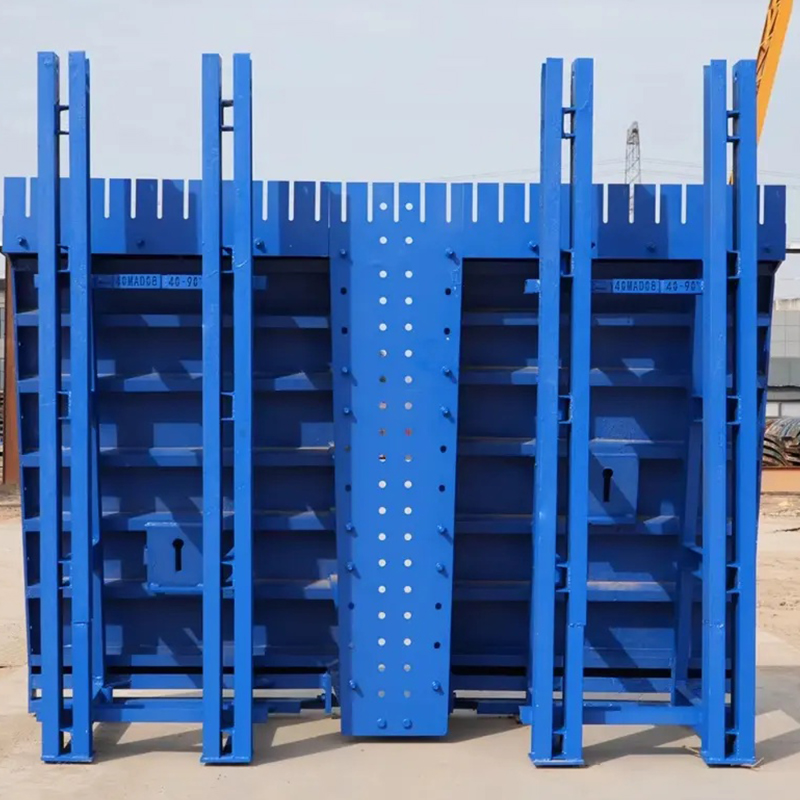
- Climbing shoes and cones that transfer the load of the rig into previously cast concrete
- Working and finishing platforms that give crews access for rebar fixing, pouring, and formstripping
- Guardrail and enclosure screens that keep the platform edge protected during wind gusts
- Hydraulic climbing units or crane lifting brackets depending on whether the system is self climbing
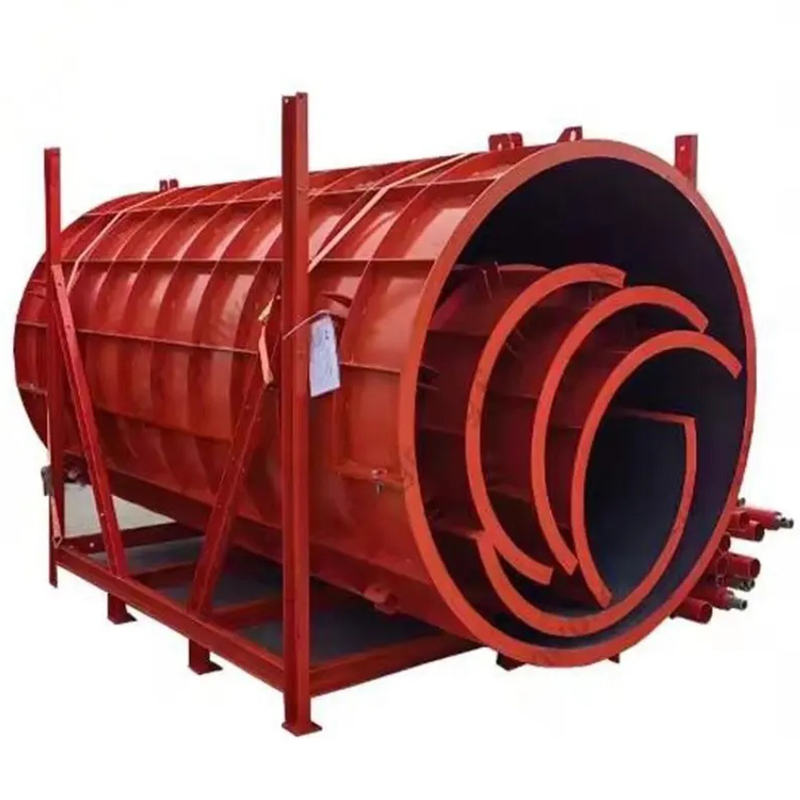
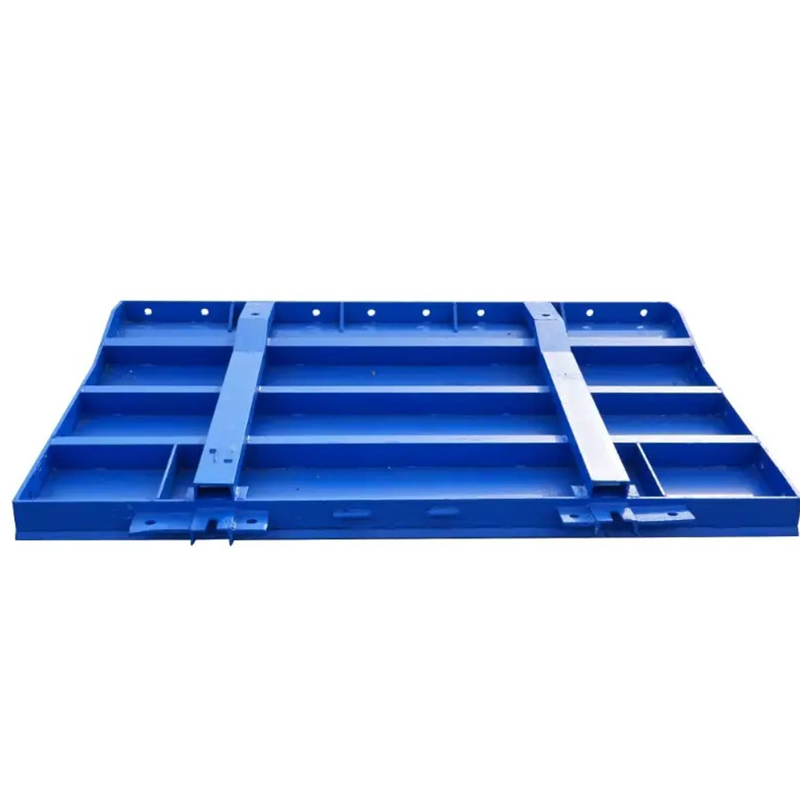
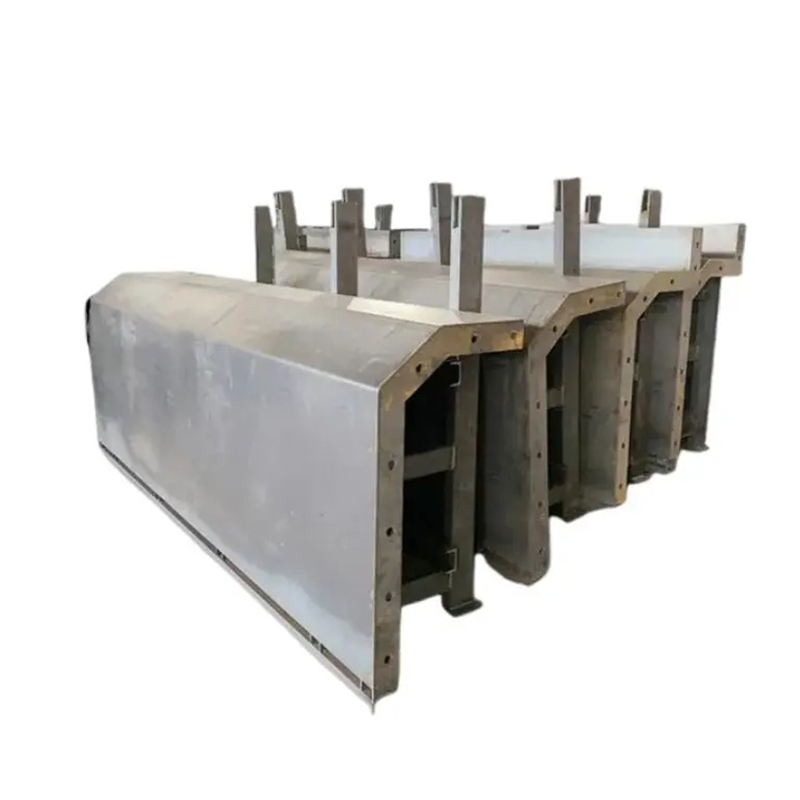
- Form panels faced with plywood, steel, or aluminum depending on the required concrete finish
Why Contractors Choose Climbing Formwork
Climbing formwork earns its place on tall building schedules because it solves problems that conventional formwork cannot handle efficiently once a structure passes roughly ten stories.
Faster Repetitive Cycles
Because the rig never leaves the building, crews are not spending shift time craning loose panels up and down. On a 200 meter residential tower, that saved crane time compounds across dozens of lifts and can shorten the overall core construction program by several weeks compared to a fully crane dependent method.
Built In Fall Protection
The enclosed working platform stays attached to the structure at every lift, so workers are not exposed to an open edge the way they would be with loose scaffolding. This is one of the main reasons safety regulators and site engineers favor climbing formwork on high rise cores.
Consistent Concrete Finish
Because the panel alignment is repeated mechanically at each lift rather than reset by hand, wall thickness and surface flatness stay more consistent from floor to floor, which reduces patching and finishing labor later in the project.
Where Climbing Formwork Is Used On Real Projects
Climbing formwork is the default choice on most supertall and high rise cores built in the last two decades, and it also appears on infrastructure work with a tall, repetitive cross section.
- Central reinforced concrete cores of residential and office towers
- Bridge piers and pylons for cable stayed and suspension bridges
- Cooling towers and industrial chimneys
- Grain and cement silos with tall cylindrical walls
- Elevator and stair shaft walls on mixed use developments
Safety Considerations For Climbing Formwork Operations
Climbing formwork is generally considered safer than loose scaffolding at height, but the climbing operation itself is a controlled lift and needs the same discipline as any crane activity. Anchor points must be checked before every climb, and the concrete strength at the anchor location must meet the minimum specified before the rig is released.
Common Site Controls
Site teams typically confirm concrete cube strength results before releasing anchors, inspect climbing shoes and cones for wear after each cycle, and restrict climbing operations during high wind conditions in line with the equipment manufacturer's wind speed limits. Wind is the most common reason a climbing cycle is delayed, since most self climbing rigs are rated to stop operation above a manufacturer defined gust threshold.
Cost Factors To Plan For
Climbing formwork carries a higher upfront rental or purchase cost than conventional formwork, but the total cost picture usually favors it once building height and repetition are factored in.
| Cost Driver | Effect On Budget |
|---|---|
| Building Height And Lift Count | More lifts spread the fixed rig cost across more concrete, lowering cost per square meter |
| Crane Availability | Self climbing rigs cost more to rent but free crane hours for other trades |
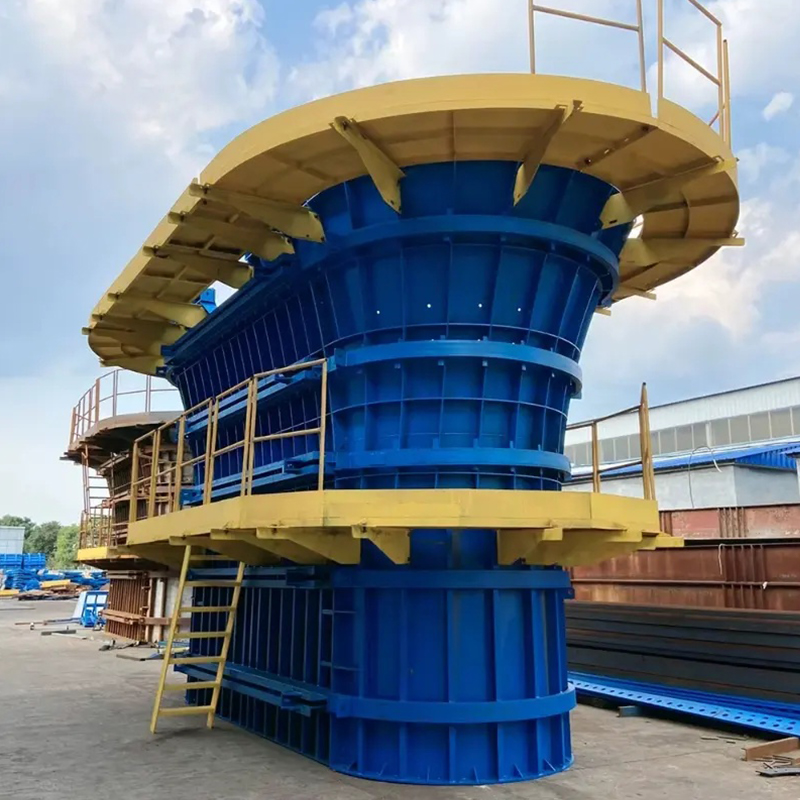
| Wall Geometry Complexity | Curved or tapering walls require custom panels, raising fabrication cost |
| Rental Duration | Longer programs favor purchase over rental for repeat users |
Frequently Asked Questions About Climbing Formwork
Is climbing formwork the same as slipform
No. Climbing formwork pours in discrete lifts and stops between pours, while slipform moves continuously as concrete is placed. Climbing formwork generally gives a better architectural finish and is more adaptable to changing wall geometry.
How tall does a building need to be before climbing formwork makes sense
There is no fixed rule, but most contractors start evaluating climbing formwork once a core exceeds roughly ten to fifteen floors, since that is the point where crane time savings and consistent finish quality begin to outweigh the higher rig cost.
Can climbing formwork be used on curved or irregular walls
Yes. Panels can be fabricated to match curved, tapering, or setback wall geometry, though custom panel fabrication adds cost and lead time compared to a straight repetitive wall.
What causes climbing formwork operations to pause
The two most common causes are insufficient concrete strength at the anchor points and wind speeds above the manufacturer's rated limit for the climbing rig.
Does climbing formwork need a tower crane at all times
Only crane climbed systems rely on a tower crane for every climb. Self climbing hydraulic systems raise themselves and only need the crane for delivering materials such as reinforcement and concrete.


- Location
- Group 3, Fangzhuang Village, Rucheng Subdistrict, Rugao City, Nantong, Jiangsu, China
- Follow us
- Phone
- +86-13646196162
- info@hysonindustry.com
