 +86-13646196162
 info@hysonindustry.com




 русский
  عربى
عربى 


Formwork Safety: Common Hazards, Best Practices & Safe Supplier Selection
 2026.09.11
Content
At 5:30 a.m. on a bridge job, the shift supervisor walks the formwork before the first concrete pour. The pump truck is already in position. But one adjustable steel prop is missing its base plate, and a vertical support pair stands 60 centimeters wider than the erection drawing shows. The crew can pour now and hope the formwork holds, or the job can stop for ten minutes and fix the support. Under formwork safety principles, the correct answer is to stop and fix it. Most formwork failures are not surprises. They are the result of small assembly gaps that become visible only when concrete starts to move.
Common hazards in formwork construction
Formwork that fails does not happen without warning. The risk pattern follows the same three categories on nearly every site.
Structural instability
The most dangerous failure mode is collapse during pouring. Long unsupported spans, missing lateral bracing, and loose connections all reduce the formwork system's capacity below the design load. Tall walls and complex bridge piers need a designed bracing layout, not an improvised one.
Load failures and overloading
Concrete is heavy. A 3-meter-high wall exerts roughly 70 kPa of lateral pressure at the base, and that pressure increases with pour rate. When the crew overfills a concrete bucket or adds a vibrator beyond the approved spacing, the load path can change faster than the formwork can react.
Falls and falling materials
Falls from platform edges, openings in deck forms, and ladders without secure footing remain the most common injury route on formwork tasks. Debris and loose panels can also slide off during stripping, which is why housekeeping is not a cosmetic issue but a protective measure.
| Hazard | Typical cause | Key prevention |
|---|---|---|
| Structure collapse | Unbraced tall wall forms | Follow erection drawings and brace every vertical panel |
| Load failure | Overfilled buckets or undersized shoring | Verify design loads before the pump starts |
| Fall from height | Unprotected edges and open deck joints | Install guardrails and individual tie-off points |
Design and planning before the first pour
Formwork safety begins long before the truck arrives. A safe assembly is one that follows a stamped structural design, considers concrete placement rates, and accounts for wind and construction loads. OSHA 1926.703 requires that formwork be capable of supporting all vertical and lateral loads without failure, and that load path should be documented before crews start work.
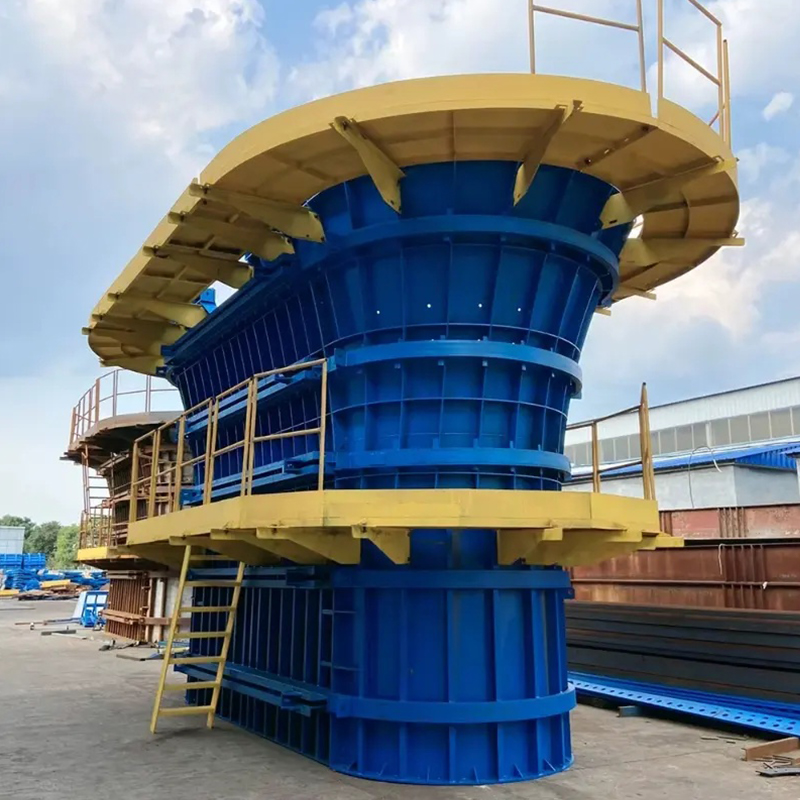
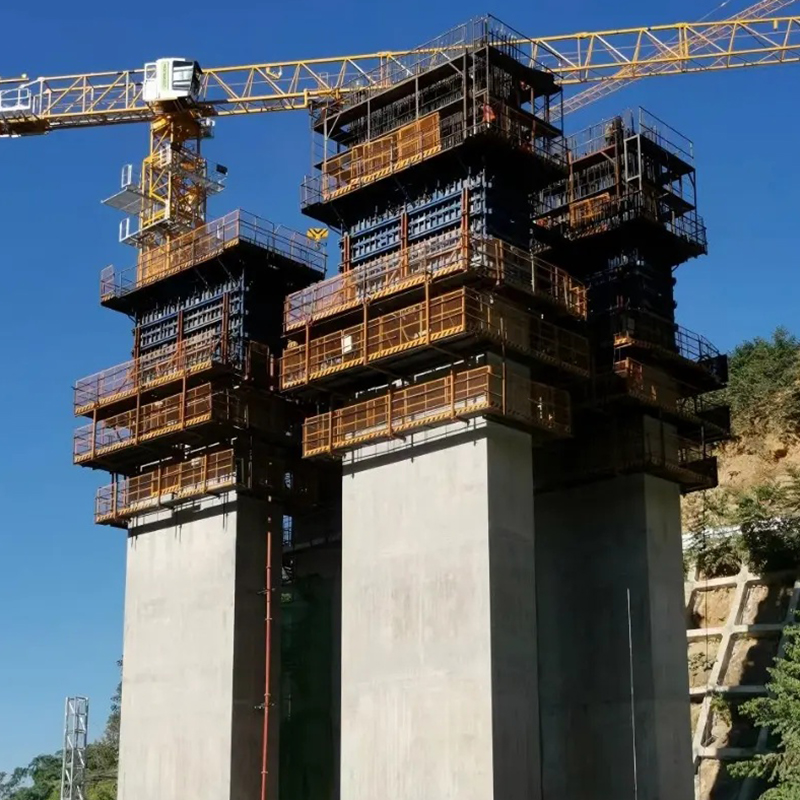
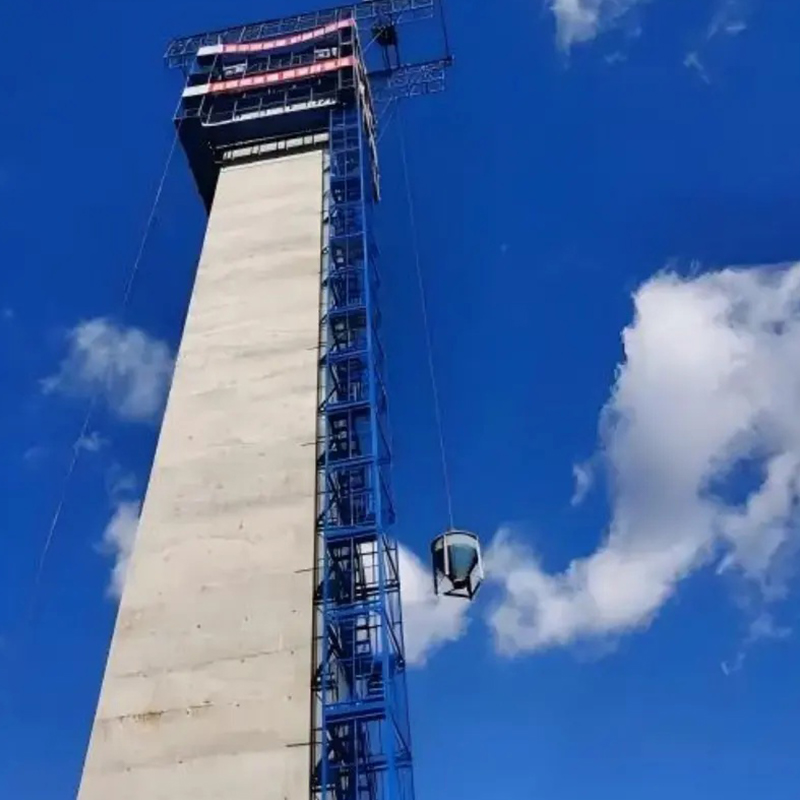 Climbing formwork system for vertical concrete structuresThis self-climbing formwork rises with the structure, providing a stable work platform without tower crane reliance. It suits high-rise cores and bridge towers, enhancing safety in high-altitude pours.View Product →
For tall structures where the work platform moves upward with each concrete lift, a climbing formwork system is built around the vertical wall itself. It provides a stable working deck that rises with the structure, which removes the gap where conventional scaffolding often becomes unsafe.
Design specifications should also define when stripping can begin. Concrete strength at the time of removal matters more than the calendar age. A simple rule is to check the actual cube strength against the project specification and not rely on a guess.
Support, bracing, and scaffolding safety
Formwork is only as safe as the support system beneath it. Steel props, jack bases, fork heads, and ringlock scaffolding must match the erection drawing and the load table.
A common problem with falsework is assuming standard scaffold components can carry any load. Ringlock scaffolding is designed with positive locking connections and vertical load members, which makes it harder for a worker to assemble incorrectly than with loose tube-and-coupler systems. Even so, the supporting ground must be leveled and the base distribution must be adequate.
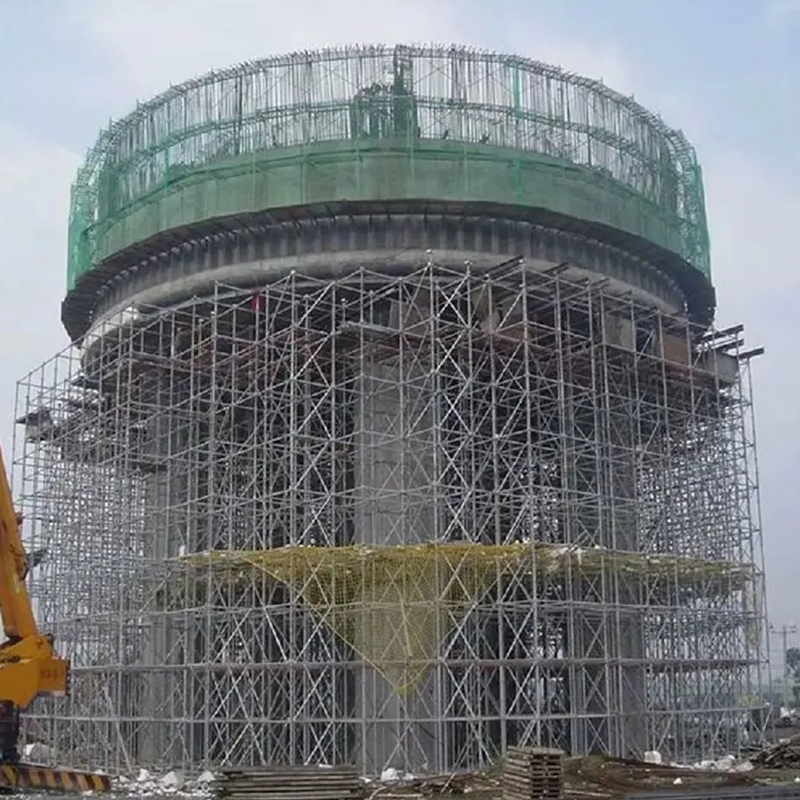 Ringlock scaffolding with positive locking connectionsIts flower-shaped couplers allow fast, hammer-only assembly, cutting setup time. High-strength steel and hot-dip galvanizing ensure durability, making it a reliable support for heavy loads.View Product →
Cross bracing should be placed at every planned bay. Lateral ties should connect the scaffold to the structure when wind loads are high. Any missing brace should be treated as a stop-work condition.
For more detail on how ringlock systems meet international safety expectations, see how disc-lock scaffolding adapts to global safety standards.
Field inspections and maintenance that catch problems early
Inspection is not a checkbox. It is a procedure that must happen before, during, and after the pour. A sober inspector looks for movement, not just appearance.
| Timing | What to check | Who decides |
|---|---|---|
| Before pour | Brace placement, prop bases, panel condition, alignment | Formwork foreman |
| During pour | Settlement, bulging, vibration, unusual sound | Engineer on duty |
| Before stripping | Concrete cube strength, time after placement, strip sequence | Site engineer |
Jack base plates spread the load into the ground and prevent localized crushing of the formwork. Using a proper jack base instead of loose timber pads removes one of the common causes of support settlement, especially on soft ground.
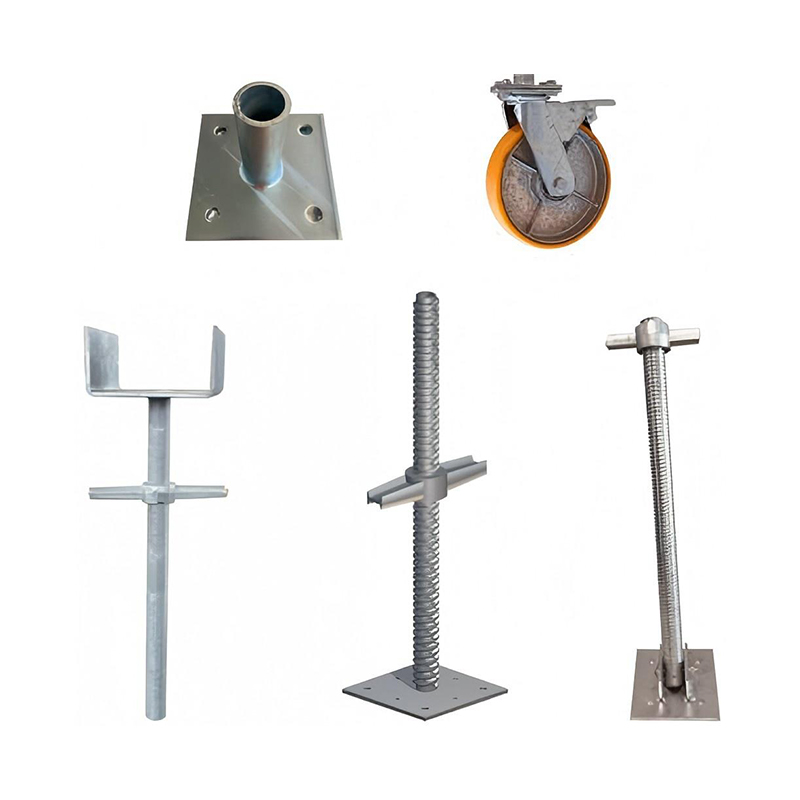 Adjustable jack base for leveling support systemsThis threaded base precisely levels scaffolding and formwork, compensating for uneven ground. With high load capacity and adjustable height, it prevents settlement and ensures stability.View Product →
Worker training, PPE, and site coordination
People are the main safety layer after the design is set. Training must show the worker what the designed load capacity means in practice and what to do when something appears wrong.
Effective toolbox talks are short and specific
A formwork toolbox talk should not cover every rule on a safety manual. It should focus on the task of that day: what will be poured, which supports are removable, where the access ladder is, and what warning sign stops the crew.
Personal protective equipment must actually be worn
- Hard hats with chin straps for work at height
- Steel-toe boots, high-visibility clothing, and safety glasses
- Gloves for handling steel panels and props
- Full body harness when working near unprotected edges
Coordination is just as important as PPE. The person operating the concrete pump needs to see the formwork crew. If that line of sight is broken, the pump operator should stop, not continue.
Standards and supplier quality
Regulations give the baseline. OSHA 1926.703 and AS 3610 set formwork design and construction requirements in the US and Australia. BS1139 and EN74 govern scaffolding components. A supplier that follows these standards adds a safety layer beyond minimum compliance.
When choosing a formwork manufacturer and steel component supplier, ask about factory controls, welding certifications, and traceability. A manufacturer with ISO 9001 quality management and AWS/EN welding certification is more likely to deliver consistent load-bearing components. Experience matters too: a supplier that has built bridge, drainage, and industrial project equipment over a 15-year period has likely encountered the corner cases in support design that a new supplier may miss.
Compare quotes, but also compare the technical documents behind them. Ask for the design calculation and the recommended maximum pour pressure, not just the price. This is where safe and unsafe suppliers separate. If you need a project-specific evaluation, talk to the engineering team.
Formwork safety is a system: design, support, inspection, and people. The cheapest formwork system becomes expensive if it fails during a pour. A steel formwork supplier that can demonstrate engineering support, certified welding, and documented load capacities is not a luxury. It is the difference between a routine pour and a hazardous one.


- Location
- Group 3, Fangzhuang Village, Rucheng Subdistrict, Rugao City, Nantong, Jiangsu, China
- Follow us
- Phone
- +86-13646196162
- info@hysonindustry.com
