 +86-13646196162
 info@hysonindustry.com




 русский
  عربى
عربى 


What is steel formwork in construction?
 2026.07.03
Content
- 1 What Is Steel Formwork in Construction?
- 2 How Steel Formwork Is Structured
- 3 Key Benefits of Using Steel Formwork
- 4 Steel Formwork vs. Timber and Plastic Formwork
- 5 Common Types of Steel Formwork Systems
- 6 Specifications to Consider When Selecting Steel Formwork
- 7 Maintenance Practices That Extend Formwork Life
- 8 Choosing a Steel Formwork Supplier
What Is Steel Formwork in Construction?
Steel formwork is a reusable mold system made from steel panels, beams, and support frames that is used to shape and hold poured concrete in place until it cures and gains sufficient strength. Unlike traditional timber formwork, steel formwork is engineered as a modular system of panels that can be assembled, disassembled, and reused across hundreds of concrete pours, making it the standard choice for large-scale construction projects such as high-rise buildings, bridges, tunnels, and precast concrete production.
In short: if a project requires repetitive concrete casting with tight dimensional accuracy and a long service life for the formwork itself, steel formwork generally outperforms timber or plastic alternatives in durability, reuse count, and surface finish quality.
The sections below explain how steel formwork is structured, what benefits it offers, how it compares to other formwork materials, and what factors matter when selecting a system for a specific project.
How Steel Formwork Is Structured
A steel formwork system is not a single component but an assembly of standardized parts designed to be combined into different shapes and sizes depending on the structure being cast. The main components typically include:
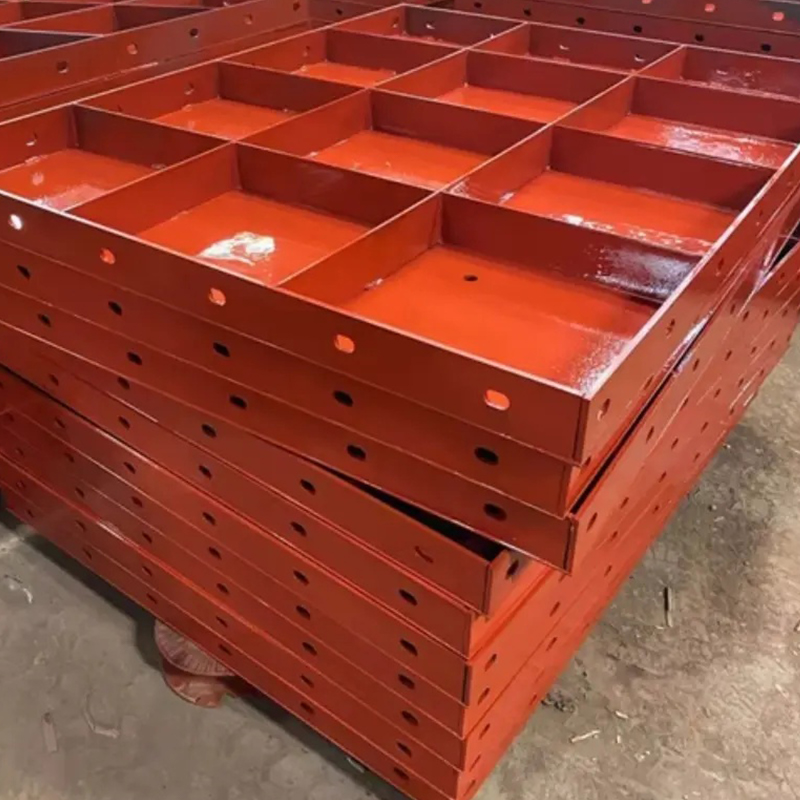
- Steel panels — flat or curved steel sheets that form the direct contact surface with wet concrete
- Stiffening ribs and frames — welded steel sections on the back of panels that resist bending under concrete pressure
- Connecting pins and wedges — hardware used to join adjacent panels quickly without bolting each joint individually
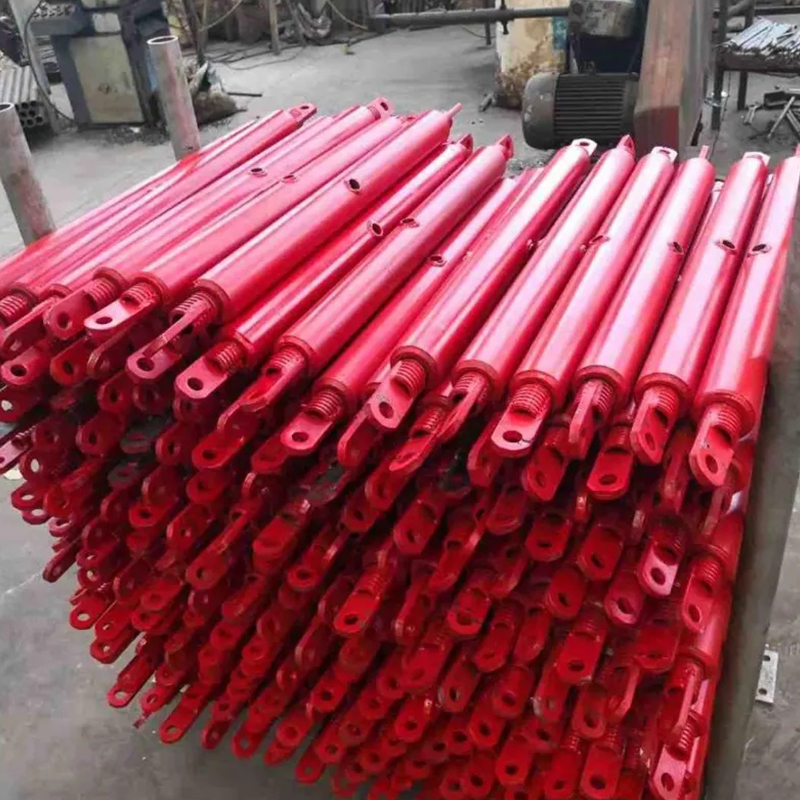
- Walers and support props — horizontal and vertical bracing members that transfer load from the panels to the ground or slab
- Tie rods — components that hold opposing wall panels together against the outward pressure of fresh concrete
Because panels are manufactured to standardized dimensions, steel formwork can typically be reused for well over 100 to 200 concrete pours before replacement is needed, depending on handling practices and maintenance quality. This reuse capacity is one of the main reasons steel formwork is favored on projects with repetitive structural elements such as columns, beams, and wall panels.
Key Benefits of Using Steel Formwork
High Reusability and Long Service Life
Steel formwork panels are built to withstand repeated assembly, concrete pressure, and disassembly cycles without significant deformation. This durability allows contractors to spread the initial cost of the formwork system across many pours, which generally lowers the per-use cost compared to timber formwork that degrades and needs frequent replacement.
Superior Concrete Surface Finish
The rigid, smooth surface of steel panels produces a consistently flat and even concrete finish, reducing or eliminating the need for additional surface plastering in many applications. This is particularly valuable for exposed concrete structures where visual quality matters.
Dimensional Accuracy and Structural Reliability
Steel's rigidity means panels resist warping or bulging under the hydrostatic pressure of freshly poured concrete, helping maintain accurate wall thickness, column dimensions, and slab alignment throughout the curing process. This precision reduces the risk of costly rework caused by dimensional errors.
Faster Assembly on Repetitive Projects
Modular steel panels with standardized connecting systems can typically be assembled and struck faster than custom-built timber forms, which shortens the construction cycle time for projects involving repeated floor slabs or identical structural units, such as residential towers or parking structures.
Steel Formwork vs. Timber and Plastic Formwork
Choosing the right formwork material depends on project scale, budget, and how many times the formwork will be reused. The table below summarizes the main practical differences between the three most common formwork materials.
| Formwork Type | Reuse Count | Surface Finish | Typical Best Use |
|---|---|---|---|
| Steel formwork | High (100+) | Excellent, smooth | Large repetitive projects, high-rise buildings |
| Timber formwork | Low (5–10) | Moderate, variable | Small projects, custom or curved shapes |
| Plastic formwork | Medium (30–50) | Good, lightweight | Low-rise residential, remote sites |
Timber remains useful for irregular or one-off shapes where custom cutting is unavoidable, while plastic formwork offers a lightweight option for smaller sites. However, for projects requiring high reuse and dimensional consistency, steel formwork generally provides the strongest long-term value.
Common Types of Steel Formwork Systems
- Wall formwork panels — used for casting vertical concrete walls in buildings and retaining structures
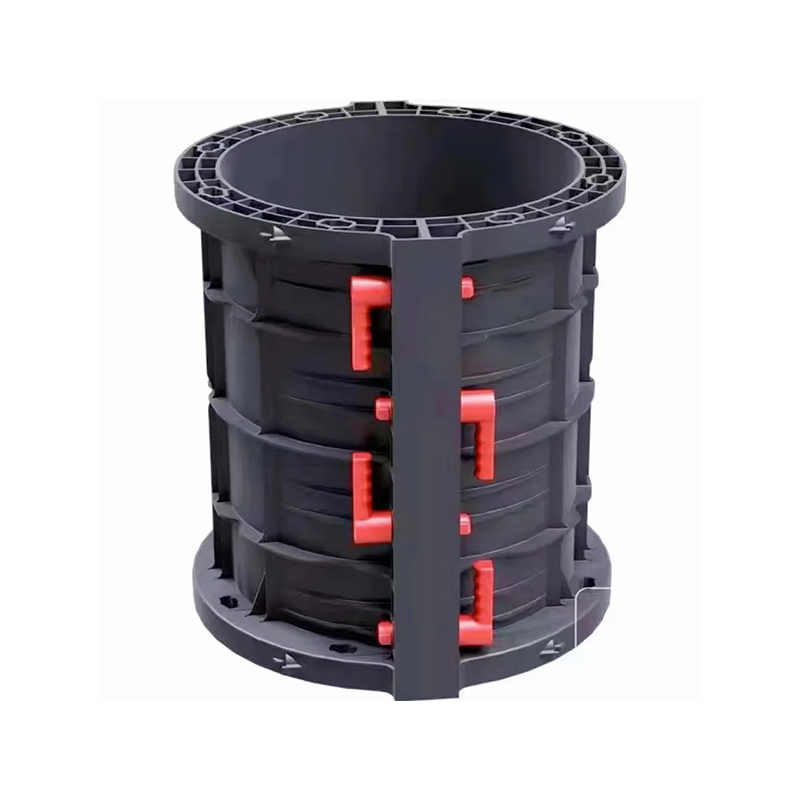
- Column formwork — modular steel cages designed to form square, rectangular, or circular columns
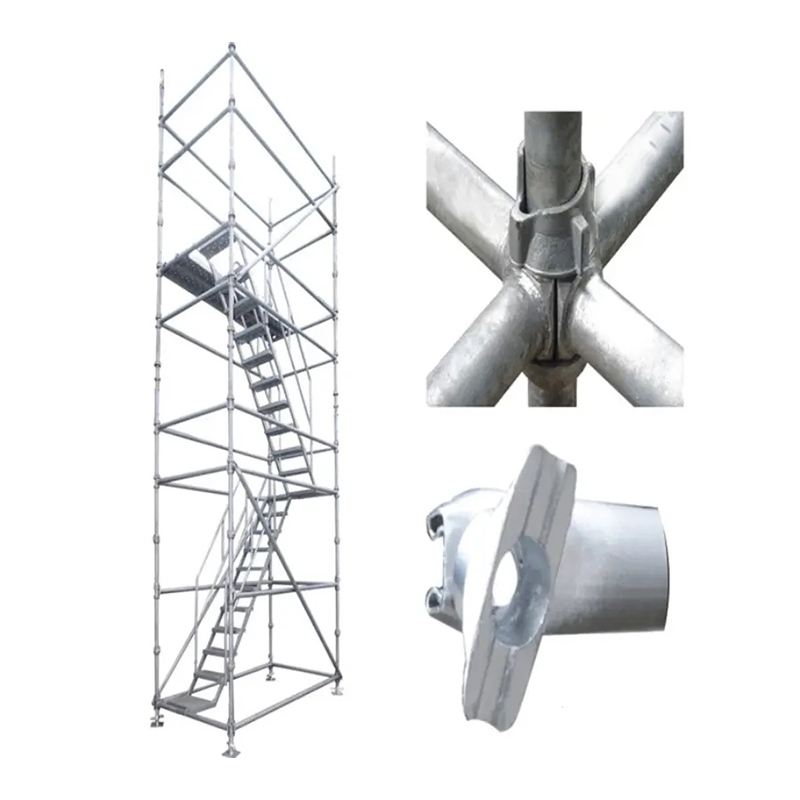
- Slab and beam formwork — horizontal support systems used for floor slabs and structural beams
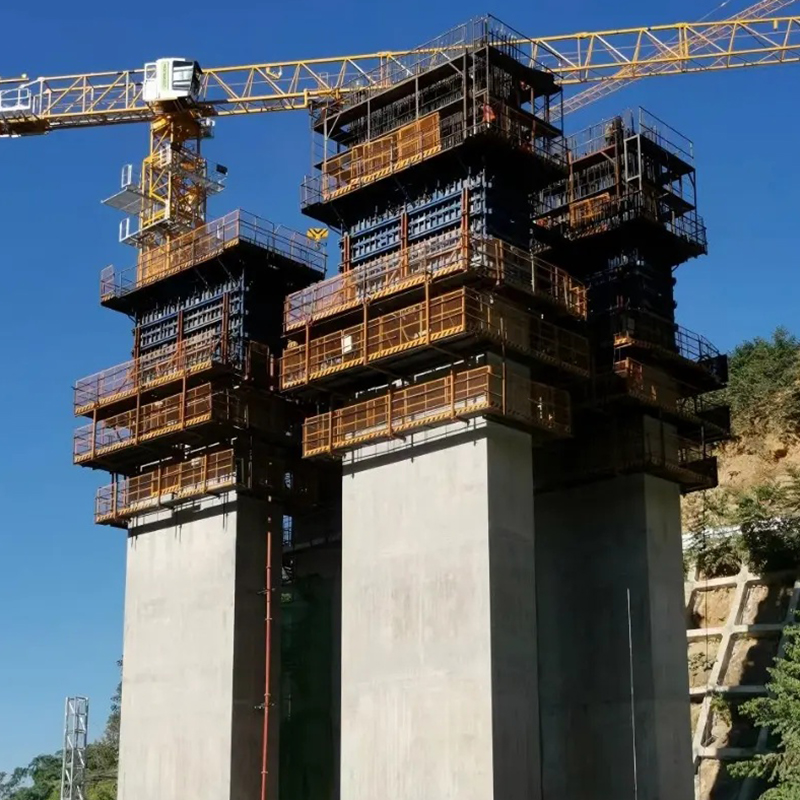
- Climbing formwork — self-raising systems used for tall structures such as bridge piers and building cores
- Tunnel formwork — curved steel systems shaped for tunnel linings and underground structures
Selecting the correct system type depends on the structural element being cast, the required pour rate, and site access conditions, since climbing and tunnel formwork systems generally require more specialized handling equipment than standard wall or slab panels.
Specifications to Consider When Selecting Steel Formwork
| Specification | Typical Consideration |
|---|---|
| Panel thickness | Determined by expected concrete pressure and pour height |
| Panel size and modularity | Standard sizes reduce assembly time and simplify logistics |
| Surface coating | Anti-rust coatings extend service life in humid or coastal conditions |
| Connection hardware | Pin-and-wedge systems generally speed up on-site assembly |
| Load capacity | Must match the structural design pressure from the concrete pour rate |
Panel thickness and load capacity should always be matched to the specific pour height and concrete placement speed planned for the project, since undersized formwork can deform under pressure and compromise both safety and finished dimensions.
Maintenance Practices That Extend Formwork Life
Proper maintenance is one of the biggest factors in how many reuse cycles a steel formwork system can actually achieve. Recommended practices include:
- Cleaning residual concrete from panel surfaces immediately after each strike to prevent buildup
- Applying release agents before each pour to protect the steel surface and ease demolding
- Inspecting welds, stiffening ribs, and connection hardware regularly for signs of fatigue or damage
- Storing panels on stacking racks off the ground to prevent moisture-related corrosion
Neglecting cleaning and coating maintenance is one of the most common causes of premature surface pitting, which can gradually reduce the quality of concrete finishes produced by an otherwise structurally sound formwork system.
Choosing a Steel Formwork Supplier
When evaluating a steel formwork supplier, project teams should look closely at manufacturing quality, the range of standardized panel sizes available, and the supplier's ability to provide technical support for load calculations and site assembly guidance. Consistent panel dimensions across production batches are essential, since even small tolerance mismatches can accumulate into visible seams or misalignment across a large pour.
As a manufacturer of steel construction products, Hyson Steel supplies steel formwork systems engineered for wall, column, slab, and beam applications, with panel options designed for repeated reuse across large-scale construction projects. Working with a supplier that offers consistent quality control and technical guidance can help construction teams reduce assembly time and maintain dimensional accuracy across multiple pours.


- Location
- Group 3, Fangzhuang Village, Rucheng Subdistrict, Rugao City, Nantong, Jiangsu, China
- Follow us
- Phone
- +86-13646196162
- info@hysonindustry.com
